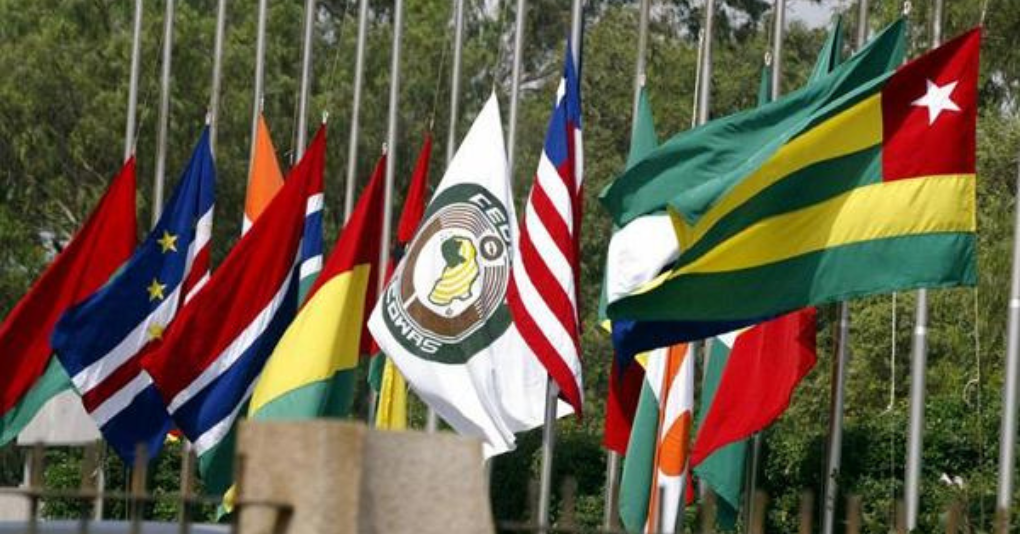
ECOWAS Parliament Advocates Emphasis on Guidance, Counselling in Secondary Schools

The Economic Community of West African States Parliament has called for strengthening guidance and counselling services in secondary schools across the sub-region.
Mar. 13th 2026
ECOWAS Parliament Advocates Emphasis on Guidance, Counselling in Secondary Schools


The Economic Community of West African States Parliament has called for strengthening guidance and counselling services in secondary schools across the sub-region.

The call was made by Onyeka Peter Nwebonyi, a member of Nigeria’s delegation to the regional parliament, on the sidelines of the ongoing joint committee delocalised meeting on Education, Science and Culture; Health; and Telecommunications and Information Technology in Lomé.

The meeting is themed “Strengthening Curriculum Alignment with Socio-Economic Needs of the ECOWAS Region.”

Nwebonyi emphasised the need for deliberate action to bridge the gap between education and technical expertise, describing the mismatch between training and practical skills as a major challenge facing the region.

He warned that education should go beyond the acquisition of certificates and focus on ensuring that training aligns with labour market demands.

According to him, proper career guidance should begin at the secondary school level to help students make informed choices about their future.

“From the secondary education level, we start guiding our children from the earliest stage through what we call guidance and counselling in the secondary school system,” he said.

Drawing from his personal experience, the lawmaker, who is trained as a lawyer, said his decision to study law at the university level was influenced by the guidance and counselling he received during his secondary school years.

He noted that many students today pursue academic programmes that do not equip them with practical skills needed for employment or entrepreneurship.

Nwebonyi stressed that strengthening career guidance within schools would help align students’ interests with market needs and contribute to addressing unemployment challenges across the sub-region.

According to him, “They should study courses, learn skills and vocations that can actually make them independent without necessarily waiting for a white-collar job.

“We have to tailor our educational curriculum to be in line with the present needs of the West African community. That is what we are talking about. We must be intentional and purposeful.

“Being purposeful is to say this is what we want to achieve. We have to do a market survey. We have to do what we call labour market intelligence to see what we need in Nigeria and the rest of the sub-region.

He stressed that the region must begin to encourage our students to go for vocational studies, saying, “So it is important that we go vocational. We must emphasise skills more. We must emphasise what you can do and not what degree you have.

To encourage our students to go into vocational studies so that once they finish, they can create jobs for themselves and people around them.

“That is the point, and that is the essence of this ECOWAS Summit on strengthening our educational curriculum to be in alignment with the socio-economic needs of West Africa.”

Also, Ernest B. Izevbigie, Professor of Growth Biology/Biochemistry and Vice Chancellor, Margaret Lawrence University, Abuja, in his presentation, warned that “Institutional research at the universities must be aimed at solving our societal problems, while research conducted at the universities must be converted to societal values through partnerships.”

He therefore stressed the need to make grants available to researchers in higher institutions of learning.

Supporting this call, Samuel Reagen Enders, a member of the Liberian delegation and the Community Parliament’s Joint Committee on Health, urged individual member states to vote 20 percent of their annual budget for education

“We need to look at the data, look at the facts, and look at the importance of education in strengthening our community.

“We have a huge number of young people in this sub-region,” he stated. “We need to be mindful that our people need to be educated—and not just academically. We are talking about practical skills and opportunities that will allow them to be trained, support their families, and provide for themselves.”

Share this post

0 Comment

    Be the first to comment on this post

Leave a comment

More Blog Posts
Image Oct 26th. 2026

Rotary Club partners National Library to Support 200 Lagos Students with Literacy, Leadership Lessons

 The Rotary Club of Ogudu GRA, in partnership with the National Library of Nigeria, has encoura......

Continue Reading

Image Oct 26th. 2026

Abia Governor Awards Victorious Students from The International Debate Competition

 Abia State Governor Alex Otti has awarded a cash gift of N1 million each to the five students......

Continue Reading

Image Oct 26th. 2026

AGILE Improves Learning Conditions for 778,000 Students in Katsina

 The World Bank-supported Adolescent Girls Initiative for Learning and Empowerment (AGILE) Proj......

Continue Reading

Image Oct 26th. 2026

FCTA Pressed to Establish Funding Mechanism for Primary Education

 The Chairman of the Confederation of the Parents Teachers Association (CPTA), Abuja Municipal......

Continue Reading

--> ECOWAS Parliament Advocates Emphasis on Guidance, Counselling in Secondary Schools - Boldscholar News

ECOWAS Parliament Advocates Emphasis on Guidance, Counselling in Secondary Schools

The Economic Community of West African States Parliament has called for strengthening guidance and counselling services in secondary schools across the sub-region.
Mar. 13th 2026
ECOWAS Parliament Advocates Emphasis on Guidance, Counselling in Secondary Schools


The Economic Community of West African States Parliament has called for strengthening guidance and counselling services in secondary schools across the sub-region.

The call was made by Onyeka Peter Nwebonyi, a member of Nigeria’s delegation to the regional parliament, on the sidelines of the ongoing joint committee delocalised meeting on Education, Science and Culture; Health; and Telecommunications and Information Technology in Lomé.

The meeting is themed “Strengthening Curriculum Alignment with Socio-Economic Needs of the ECOWAS Region.”

Nwebonyi emphasised the need for deliberate action to bridge the gap between education and technical expertise, describing the mismatch between training and practical skills as a major challenge facing the region.

He warned that education should go beyond the acquisition of certificates and focus on ensuring that training aligns with labour market demands.

According to him, proper career guidance should begin at the secondary school level to help students make informed choices about their future.

“From the secondary education level, we start guiding our children from the earliest stage through what we call guidance and counselling in the secondary school system,” he said.

Drawing from his personal experience, the lawmaker, who is trained as a lawyer, said his decision to study law at the university level was influenced by the guidance and counselling he received during his secondary school years.

He noted that many students today pursue academic programmes that do not equip them with practical skills needed for employment or entrepreneurship.

Nwebonyi stressed that strengthening career guidance within schools would help align students’ interests with market needs and contribute to addressing unemployment challenges across the sub-region.

According to him, “They should study courses, learn skills and vocations that can actually make them independent without necessarily waiting for a white-collar job.

“We have to tailor our educational curriculum to be in line with the present needs of the West African community. That is what we are talking about. We must be intentional and purposeful.

“Being purposeful is to say this is what we want to achieve. We have to do a market survey. We have to do what we call labour market intelligence to see what we need in Nigeria and the rest of the sub-region.

He stressed that the region must begin to encourage our students to go for vocational studies, saying, “So it is important that we go vocational. We must emphasise skills more. We must emphasise what you can do and not what degree you have.

To encourage our students to go into vocational studies so that once they finish, they can create jobs for themselves and people around them.

“That is the point, and that is the essence of this ECOWAS Summit on strengthening our educational curriculum to be in alignment with the socio-economic needs of West Africa.”

Also, Ernest B. Izevbigie, Professor of Growth Biology/Biochemistry and Vice Chancellor, Margaret Lawrence University, Abuja, in his presentation, warned that “Institutional research at the universities must be aimed at solving our societal problems, while research conducted at the universities must be converted to societal values through partnerships.”

He therefore stressed the need to make grants available to researchers in higher institutions of learning.

Supporting this call, Samuel Reagen Enders, a member of the Liberian delegation and the Community Parliament’s Joint Committee on Health, urged individual member states to vote 20 percent of their annual budget for education

“We need to look at the data, look at the facts, and look at the importance of education in strengthening our community.

“We have a huge number of young people in this sub-region,” he stated. “We need to be mindful that our people need to be educated—and not just academically. We are talking about practical skills and opportunities that will allow them to be trained, support their families, and provide for themselves.”

Share this post
0 Comment

    Be the first to comment on this post

Leave a comment

More Blog Posts
Image Oct 26th. 2026

Rotary Club partners National Library to Support 200 Lagos Students with Literacy, Leadership Lessons

 The Rotary Club of Ogudu GRA, in partnership with the National Library of Nigeria, has encoura......

Continue Reading

Image Oct 26th. 2026

Abia Governor Awards Victorious Students from The International Debate Competition

 Abia State Governor Alex Otti has awarded a cash gift of N1 million each to the five students......

Continue Reading

Image Oct 26th. 2026

AGILE Improves Learning Conditions for 778,000 Students in Katsina

 The World Bank-supported Adolescent Girls Initiative for Learning and Empowerment (AGILE) Proj......

Continue Reading

Image Oct 26th. 2026

FCTA Pressed to Establish Funding Mechanism for Primary Education

 The Chairman of the Confederation of the Parents Teachers Association (CPTA), Abuja Municipal......

Continue Reading

-->