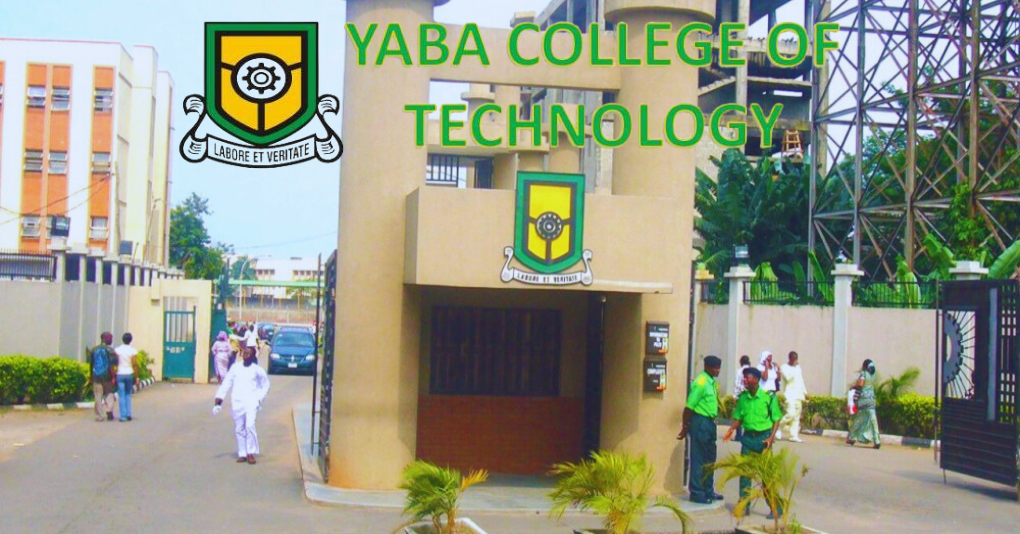
Authorities of Nigeria’s premier tertiary institution, Yaba College of Technology (YABATECH), and the management of Sterling Bank Plc have launched a newly structured work-study programme under the bank’s Grow with Sterling initiative, aimed at bridging the long-standing gap between academic training and industry requirements.
For students of Yaba College of Technology, the daily walk across campus is more than a routine commute; it is a steady march toward long-cherished dreams. Yet, for many graduates, that journey often ends abruptly at a locked door—the widely acknowledged “experience gap.”
Armed with certificates and ambition, many young graduates still struggle with “office fluency,” the practical exposure that comes only from being immersed in real workplace environments. This challenge forms the human heartbeat behind the recent partnership between YABATECH and Sterling Bank Plc.
The collaboration, formalised through the signing of a Memorandum of Understanding (MoU) at the College Council Chamber, goes beyond ceremonial agreements. It represents a deliberate effort to ensure that students’ potential is not wasted in the waiting rooms of unemployment or prolonged job searches caused by inadequate professional exposure.
Designed to integrate classroom instruction with hands-on workplace experience, the structured work-study programme allows students to graduate with market-ready skills, practical competence, and confidence required in today’s competitive labour market.
Speaking at the signing ceremony, the Group Head, Sterling Academy, Mr. Kola Oluyemi, said the initiative reflects Sterling Bank’s commitment to developing a future-ready workforce through purposeful collaboration with educational institutions.
According to him, aligning academic training with industry realities is critical to tackling youth unemployment and strengthening Nigeria’s talent pipeline. He described the partnership as a practical response to the persistent disconnect between what students learn in classrooms and what employers expect in the workplace.
Under the programme, National Diploma (ND) graduates and undergraduates will combine paid employment at Sterling Bank with continued academic studies. Oluyemi explained that beneficiaries would gain hands-on industry exposure while pursuing further education through scholarships supported by the bank.
The initiative, he added, is anchored on the Grow with Sterling platform, which prioritises human capital development as a cornerstone for sustainable national growth.
In his remarks, the Rector of YABATECH, Dr. Engr. Ibraheem Abdul, described the partnership as a strategic move toward repositioning technical education for relevance and impact. He reaffirmed the institution’s commitment to producing graduates who are not only academically sound but also equipped with practical skills and industry exposure.
Engr. Abdul noted that the collaboration strengthens the institution’s long-standing advocacy for robust “town and gown” relationships, where industry actively contributes to curriculum development, training delivery, and student mentorship.
Providing further insight into the MoU, the Director, Centre for Linkages, Partnership and International Relations, Dr. Mas’ud Ajala, said the initiative was conceived in response to labour market realities and the increasing demand for technically skilled ND graduates.
According to him, engagements with private sector leaders revealed that ND holders are among the most sought-after talents in the job market.
“We are proposing a work-and-study opportunity for our ND graduates. This initiative responds directly to the needs of society and industry. There are available job opportunities, and we want our graduates to key into them while continuing their education,” Ajala said.
Both YABATECH and Sterling Bank expressed confidence that the partnership would serve as a model for effective academia-industry collaboration in Nigeria. With the MoU now signed, implementation is set to commence, marking a significant step toward narrowing the skills gap, improving graduate employability, and strengthening Nigeria’s human capital base.
Share this post





Be the first to comment on this post