
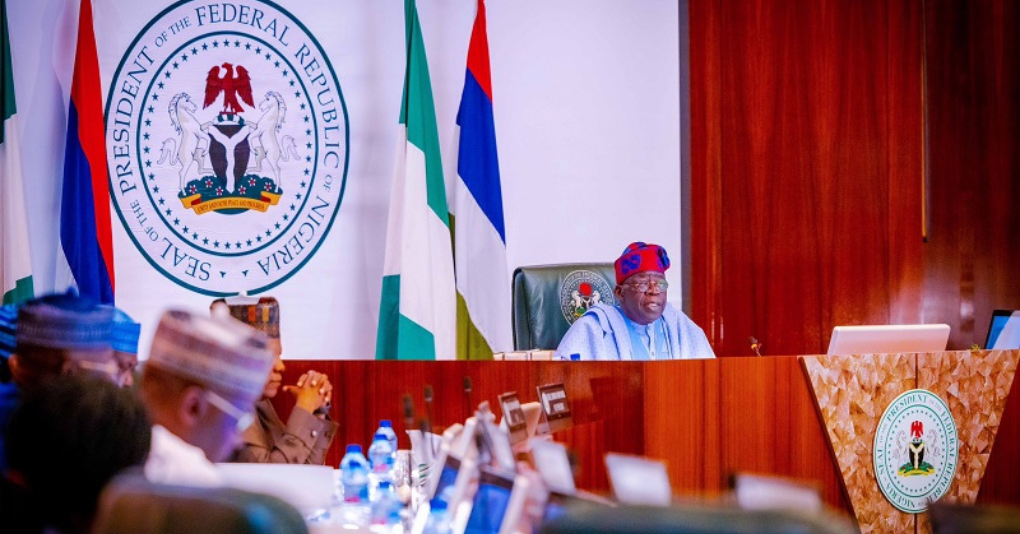
The Federal Government on Monday unveiled a national policy on drug abuse in schools.
The Minister of Education, Tunji Alausa, at the unveiling of the document in Abuja, said the ministry has adopted an 80 percent implementation and 20 percent policy development model in line with international standards.
Alausa stressed that Nigeria’s education reforms must now translate into measurable outcomes across all states.
The minister appreciated the continued support of development partners, including UNESCO, UNICEF, and others, for Nigeria’s education sector.
He stated that the new policies would either improve existing ones or address areas where no policy previously existed.
Alausa stressed that policy is just 10 percent of the work, adding, “Implementation is the heart of what we do, and the commissioners will drive this work, while the Federal Government will provide the technical support and resources required.
“The first of the three policies presented is the National Teachers’ Policy alongside its implementation guidelines. The policy is designed to strengthen teacher quality, upgrade competencies, and improve professional development.”
Alausa said the government had accelerated the digitalisation of teacher training programmes and would soon launch a digital platform for continuous professional development.
He added that the government was working to ensure that all public school teachers are licensed by the Teacher Registration Council to produce the best students.
The minister said the second policy document on Drug and Substance Abuse in Schools was meant to address the rising rate of drug and substance abuse among students in secondary schools and tertiary institutions.
“This is the first time Nigeria is developing a national policy and implementation guideline on drug abuse in schools,” the minister said.
He added that the policy incorporated counselling and behavioural support, but affirmed that the government would not hesitate to punish repeat offenders.
Alausa said, “We must protect our youth. Addiction destroys lives, and President Bola Tinubu believes strongly in the capacity of Nigerians.”
Also speaking, the Kwara State Commissioner for Education and Human Capital Development, Lawal Olohungbebe, pledged to fully implement the new policies.
He emphasised that while policies were formulated at the federal level, implementation rested squarely with the states.
“Most of the implementation steps can easily be captured in our 2025 project plans for those who have not gone beyond that stage,” he explained.
He pledged the commitment of all state commissioners of education to ensuring the policies translate into concrete results across the federation.
“We’ll do our best to ensure that every part of these policies is well implemented. We are strategic, decisive, and deliberate. We will do everything we can,” he stated.
In a bid to combat drug abuse in schools, the Federal Ministry of Education commenced the revision of the secondary-school curriculum to include drug-prevention lessons and plans to cascade the same content to primary schools, while also launching a new Substance Use Prevention Unit to steer the programme nationwide.
Together with the NDLEA, the ministry is introducing stand-alone awareness campaigns—lectures, competitions and parent outreach—as well as compulsory drug-integrity testing for new, returning and randomly selected students in universities and colleges.
The partnership further links UBEC and TETFUND with the NDLEA Academy in Jos to train teachers and build support systems, aiming to reduce drug use and its ripple effects on learning and safety across all levels of education.
Share this post



Be the first to comment on this post