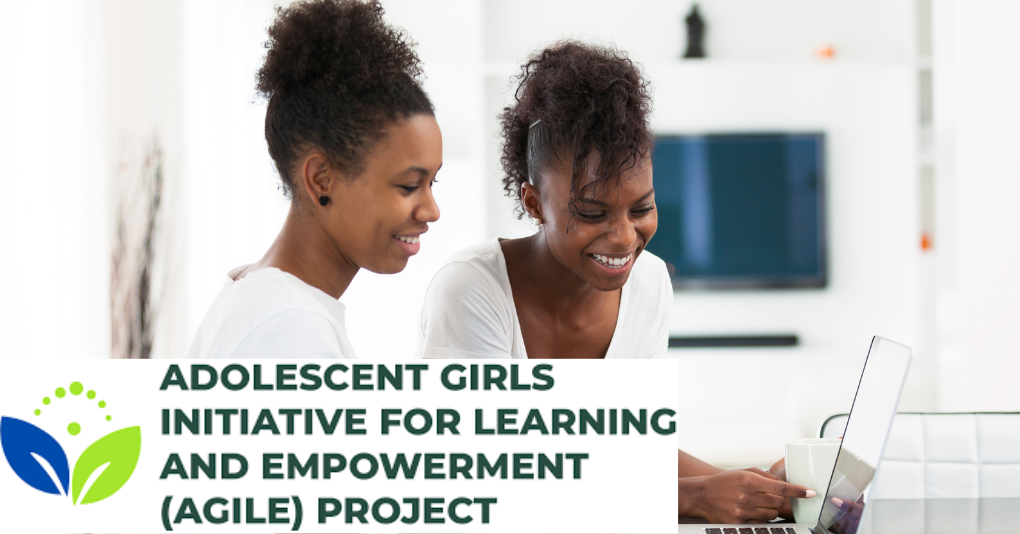
The Adolescent Girls Initiative for Learning and Empowerment (AGILE) Project has recorded significant progress in improving education delivery and school infrastructure in Sokoto State, completing 94 out of its 161 planned activities for 2025.
The State Project Coordinator, Dr. Mansur Isa Buhari, disclosed this during a media roundtable in Sokoto, where he was represented by the Assistant System Strengthening Component Lead, Suleiman B. Musa.
Dr. Buhari said AGILE’s interventions have focused on enhancing access to quality education and improving learning environments, with measurable results across the state.
According to him, the project renovated 749 classrooms and constructed 214 solar-powered boreholes across 240 schools. In addition, 1,652 toilet units were built in all 23 local government areas, significantly improving sanitation and hygiene in public schools.
He added that environmental sustainability remains a key priority, with 4,480 trees planted in 224 schools and Eco Clubs established in participating secondary schools to promote environmental awareness.
On access to education, Dr. Buhari disclosed that the project enrolled 16,528 adolescent girls against a 2025 target of 17,000, while 11,221 desks were supplied to enhance classroom learning conditions.
Capacity-building also featured prominently, with 2,240 School-Based Management Committee (SBMC) members trained on environmental management and social compliance. Additionally, 97,446 teaching and learning materials were distributed to 240 secondary schools across the state.
Under its social protection component, AGILE supported 41,821 beneficiaries through Conditional Cash Transfers (CCTs), aimed at reducing financial barriers to girls’ education.
Dr. Buhari further noted that while Sokoto State has over 2,000 primary schools, it has fewer than 600 secondary schools, a gap that informed plans to establish 58 additional smart secondary schools across the state.
Presenting the project’s performance report, the Monitoring and Evaluation Component Lead, Muhammad Mainasara, said AGILE achieved 53 per cent implementation progress in 2025.
He explained that 78 activities were completed, 16 are ongoing, one is delayed, and seven have been rescheduled, bringing the total number of implemented activities to 94.
In her remarks, Component Lead Rabi Muhammad Gwadabawa described the media as a strategic partner in the project’s success, citing its role in public sensitisation and countering misinformation.
Speaking on the Gender-Based Violence component, she said AGILE delivers life-skills training through a safe-space approach, covering communication skills, menstrual hygiene management and early-stage climate change awareness for adolescent girls.
She stressed that the initiative aligns with national education objectives by promoting inclusive access, improved learning outcomes and the empowerment of girls as a pathway to sustainable development.
Share this post



Be the first to comment on this post