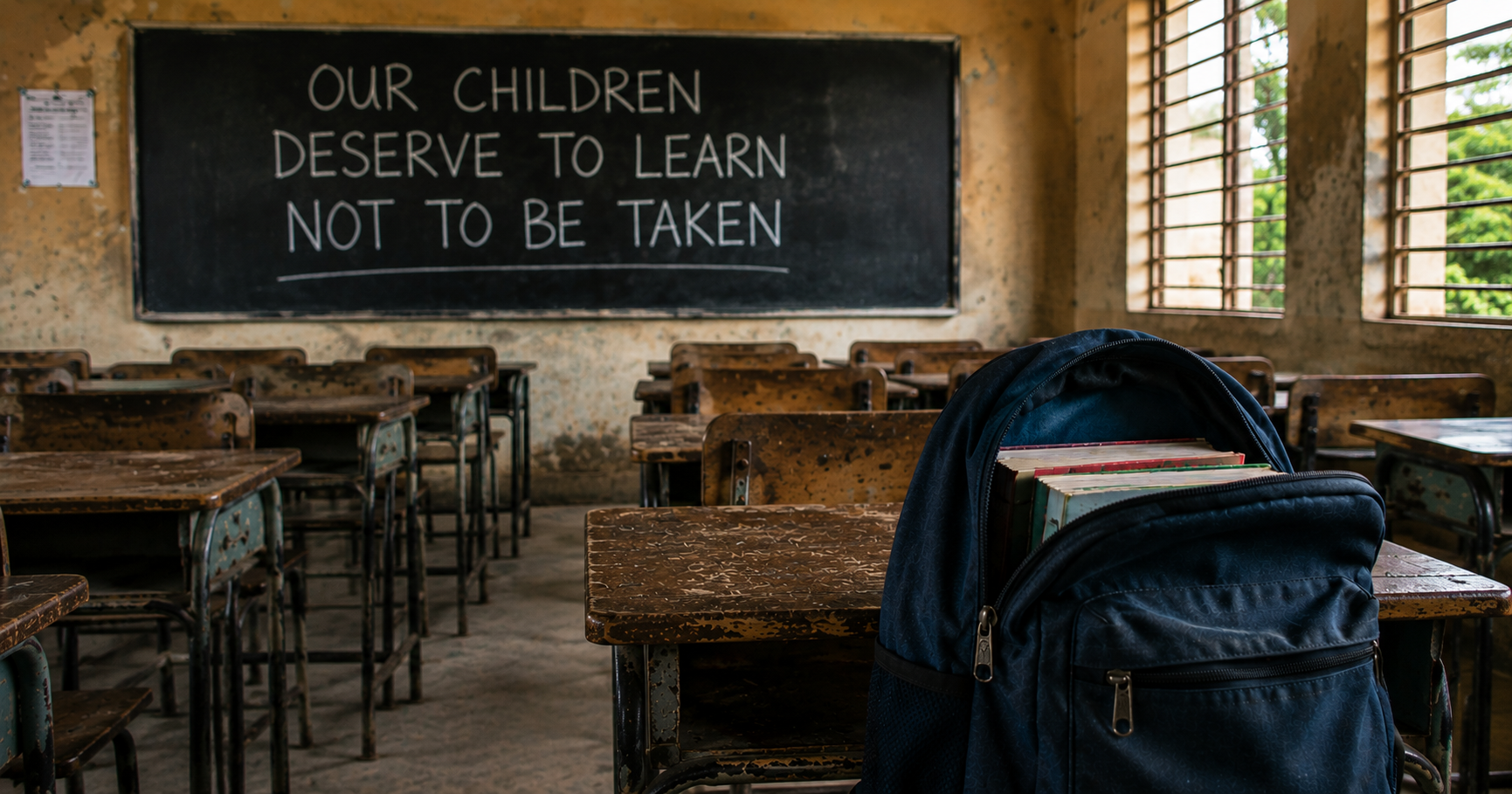
Nigeria's education sector continues to face one of its greatest challenges in recent history: the recurring kidnapping of students and school personnel. What began as isolated incidents has evolved into a disturbing trend that threatens educational access, undermines public confidence, and hinders national development.
The international spotlight first focused on school kidnappings in 2014 when 276 girls were abducted from the Government Girls Secondary School in Chibok, Borno State. Since then, similar attacks have occurred across several states, including Kaduna, Niger, Katsina, Zamfara, and Sokoto. In 2021 alone, hundreds of students were kidnapped from schools in Kankara, Jangebe, and Tegina, highlighting the growing vulnerability of educational institutions.
The immediate effect of these attacks is the disruption of learning. Schools often shut down for extended periods following security incidents, denying students access to education. Many parents, fearing for their children's safety, withdraw them from school altogether. According to reports by the United Nations Children's Fund (UNICEF), Nigeria already has one of the highest numbers of out-of-school children globally, estimated at over 18 million. Persistent insecurity only worsens this crisis.
Beyond interrupted learning, school kidnappings have severe psychological consequences. Students, teachers, and families often suffer trauma, anxiety, and fear long after incidents occur. These emotional scars can negatively affect academic performance, reduce school attendance, and discourage teaching professionals from accepting postings in vulnerable communities.
The economic implications are equally concerning. Governments and communities are forced to divert resources toward security measures rather than educational development. Funds that could have been invested in infrastructure, teacher training, and learning materials are increasingly spent on surveillance systems, security personnel, and emergency responses.
The broader consequences for national development are profound. Education is widely recognized as a cornerstone of economic growth, innovation, and social progress. A nation where children cannot safely attend school risks producing a less skilled workforce, limiting productivity and competitiveness. Insecurity in education also discourages domestic and foreign investment, particularly in regions already struggling with poverty and underdevelopment.
Addressing this challenge requires a coordinated response. Federal and state governments must strengthen school security through initiatives such as the Safe Schools Programme, improve intelligence gathering, and ensure swift prosecution of perpetrators. Community involvement, technological surveillance, and increased investment in education infrastructure are also critical.
School kidnappings are not merely security incidents; they represent an attack on Nigeria's future. Protecting schools means protecting the nation's human capital, economic prospects, and long-term development goals. Until every child can learn in safety, Nigeria's journey toward sustainable development will remain incomplete.
Share this post





Be the first to comment on this post