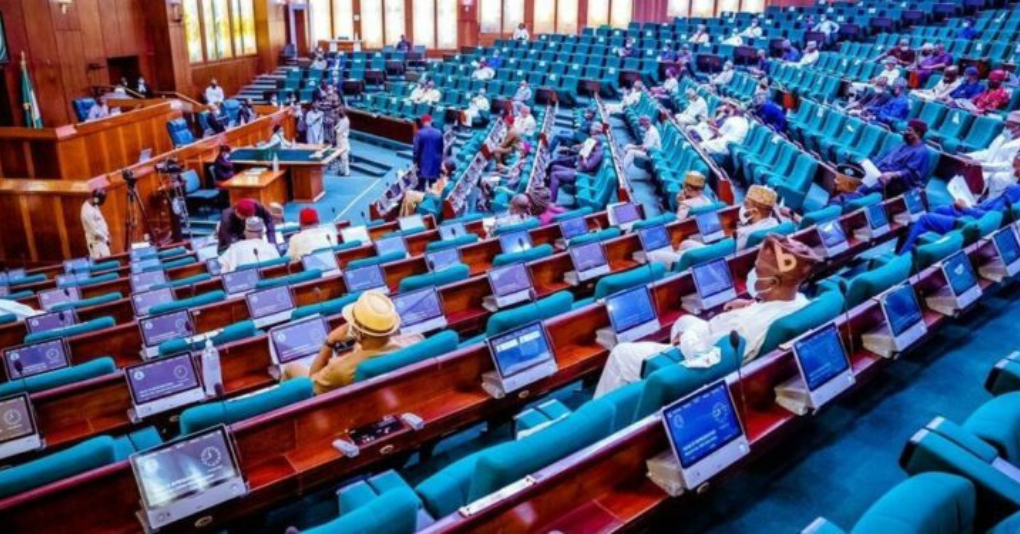
The sponsor, Benson Babajimi (APC-Lagos), said the proposed college would train doctors and allied experts for the Armed Forces and other uniformed services.
He said, “A nation’s healthcare capacity is a major determinant of its security posture.”
Mr Babajimi noted that dependable medical support was vital for troop welfare, casualty care, and preventive services across the military. He said the Nigerian health sector still faced shortages, uneven distribution of specialists, and continued migration of skilled personnel.
He argued that a military medical college would create a mission-driven pipeline of physicians trained for military needs. He cited a 2022 report showing more than 9,000 doctors left Nigeria between 2016 and 2018, with many more planning to leave. He added that thousands had also migrated in later years, worsening the shortage of medical professionals.
Mr Babajimi said only 21 doctors were commissioned into the Army between 2019 and 2025, and the same number exited the service.
“Presently, the army has only 189 doctors, of whom 71 are in civilian specialist training,” he said.
He added that the army needed at least 15 times its current medical workforce to meet operational requirements. He warned that shortages undermine routine care, surgical capacity, and staffing at military health facilities.
Deputy Speaker Benjamin Kalu referred the bill to the relevant committees for further consideration.
Share this post

Be the first to comment on this post