Nigeria Seeks to Institute Homegrown Ranking System for Tertiary Institutions

The Federal Government has announced plans to strengthen Nigeria’s national tertiary institution ranking system and develop a credible framework that could serve as a benchmark for higher education institutions across Africa.
Sep. 2nd 2026
Nigeria Seeks to Institute Homegrown Ranking System for Tertiary Institutions


The Federal Government has announced plans to strengthen Nigeria’s national tertiary institution ranking system and develop a credible framework that could serve as a benchmark for higher education institutions across Africa.

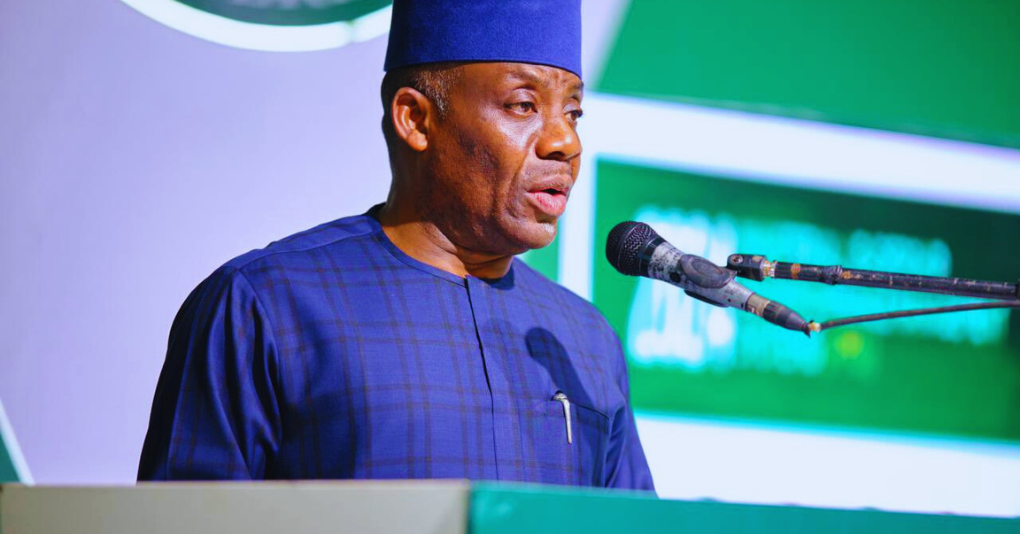
Minister of Education, Dr. Tunji Alausa, disclosed this in a statement posted on his X (formerly Twitter) account on Tuesday.

This follows the release of the Times Higher Education (THE) 2026 Rankings, which featured 24 Nigerian universities.

Alausa said he met with the Nigerian University Ranking Advisory Committee (NURAC) and the Tertiary Education Trust Fund (TETFund) to discuss measures aimed at strengthening the country’s ranking framework and improving institutional performance.

According to the minister, while international rankings remain important, Nigeria needs a system that reflects its unique educational environment and development priorities.

“For years, we have looked to international rankings to tell us how our universities are performing.

“These rankings are important, but we also need a system that understands our own institutions, our environment and our priorities. That is what we are building,” Alausa said.

As part of the reform, the ranking framework will be expanded beyond universities to include polytechnics and colleges of education.

To reflect the broader mandate, the Nigerian University Ranking Advisory Committee (NURAC) will be renamed the Nigerian Tertiary Education Ranking Advisory Committee (NTERAC).

“Polytechnics and Colleges of Education will now be included. To reflect this, NURAC will transition to the Nigerian Tertiary Education Ranking Advisory Committee (NTERAC), ensuring that all our tertiary institutions are captured and encouraged to continually improve,” he said.

Alausa noted that the new body will help institutionalise the ranking process by supporting institutions and their leadership teams to better understand ranking methodologies, data requirements and performance standards.

The minister said a stronger national ranking system would improve the ability of Nigerian institutions to compete on global platforms.

According to him, enhanced data collection, reporting and performance measurement will position more Nigerian universities for recognition in international rankings such as Times Higher Education and other global assessment systems.

“By improving how we collect, report and use institutional data, we can support more Nigerian universities to compete for recognition on global ranking systems such as Times Higher Education and others,” he said.

He added that the ranking framework will be integrated into the Nigeria Education Data Initiative (NEDI) platform, creating a centralised database that provides stakeholders with clearer insights into institutional performance.

Alausa commended the ranking committee, led by Prof. Peter Okebukola, as well as TETFund, for their contributions to the initiative.

The minister also announced that participation in the national ranking exercise will become compulsory for all public and private tertiary institutions.

He urged vice-chancellors, rectors and provosts to fully cooperate with the process, stressing that the initiative is aimed at raising academic standards and improving institutional competitiveness.

“Why shouldn’t Nigeria have the Oxfords and Cambridges of Africa? We have the talent. We have the institutions. Now, we must continue to raise the standard,” Alausa said.

The ranking initiative comes amid significant government investment in the tertiary education sector.

According to Alausa, the Federal Government has invested more than N1 trillion in higher education over the past two years to improve infrastructure, expand capacity and increase access to quality education.

The investments include:

N250 billion for the construction of new student hostels

More than N150 billion for the rehabilitation of hostels, classrooms and engineering workshops

Over N130 billion for the upgrade of medical schools

N52 billion for modern equipment in 18 medical schools

Nearly N30 billion for the establishment of 11 medical simulation laboratories

About N110 billion for engineering workshops and equipment in universities and polytechnics

The announcement comes shortly after the Federal Government launched the “Hire from Nigeria” initiative, a programme designed to connect Nigeria’s skilled workforce with global employers.

The campaign targets the creation of one million export-linked jobs within five years, positioning Nigeria as a leading hub for talent and service exports.

According to Alausa, the initiative is anchored on three key pillars: demand, supply and strategic partnerships, with the goal of enabling Nigerians to secure international employment opportunities while remaining in the country and contributing to economic growth.

Share this post

0 Comment

    Be the first to comment on this post

Leave a comment

More Blog Posts
Image Sep 2nd. 2026

Adeleke University Commissions 200kWp Solar System

 Adeleke University, Ede, Osun State, has commissioned a 200-kilowatt peak (200kWp) commercial......

Continue Reading

Image Sep 2nd. 2026

Schneider Electric Mentors Future Engineers with Tech Programme

 Schneider Electric is using a six-month mentorship programme to help bridge the gap between un......

Continue Reading

Image Sep 2nd. 2026

Total Shut Down as SSANU, NASU, NAAT Declare Indefinite Strike in Ondo Varsities

 The Joint Action Committee (JAC) of the Ondo State-owned tertiary institutions on Tuesday decl......

Continue Reading

Image Sep 2nd. 2026

JAMB, WAEC Fix One-Off Fee for SSCE Result Verification

 All candidates seeking admission into tertiary institutions in the country are henceforth to p......

Continue Reading

--> Nigeria Seeks to Institute Homegrown Ranking System for Tertiary Institutions - Boldscholar News

Nigeria Seeks to Institute Homegrown Ranking System for Tertiary Institutions

The Federal Government has announced plans to strengthen Nigeria’s national tertiary institution ranking system and develop a credible framework that could serve as a benchmark for higher education institutions across Africa.
Sep. 2nd 2026
Nigeria Seeks to Institute Homegrown Ranking System for Tertiary Institutions


The Federal Government has announced plans to strengthen Nigeria’s national tertiary institution ranking system and develop a credible framework that could serve as a benchmark for higher education institutions across Africa.

Minister of Education, Dr. Tunji Alausa, disclosed this in a statement posted on his X (formerly Twitter) account on Tuesday.

This follows the release of the Times Higher Education (THE) 2026 Rankings, which featured 24 Nigerian universities.

Alausa said he met with the Nigerian University Ranking Advisory Committee (NURAC) and the Tertiary Education Trust Fund (TETFund) to discuss measures aimed at strengthening the country’s ranking framework and improving institutional performance.

According to the minister, while international rankings remain important, Nigeria needs a system that reflects its unique educational environment and development priorities.

“For years, we have looked to international rankings to tell us how our universities are performing.

“These rankings are important, but we also need a system that understands our own institutions, our environment and our priorities. That is what we are building,” Alausa said.

As part of the reform, the ranking framework will be expanded beyond universities to include polytechnics and colleges of education.

To reflect the broader mandate, the Nigerian University Ranking Advisory Committee (NURAC) will be renamed the Nigerian Tertiary Education Ranking Advisory Committee (NTERAC).

“Polytechnics and Colleges of Education will now be included. To reflect this, NURAC will transition to the Nigerian Tertiary Education Ranking Advisory Committee (NTERAC), ensuring that all our tertiary institutions are captured and encouraged to continually improve,” he said.

Alausa noted that the new body will help institutionalise the ranking process by supporting institutions and their leadership teams to better understand ranking methodologies, data requirements and performance standards.

The minister said a stronger national ranking system would improve the ability of Nigerian institutions to compete on global platforms.

According to him, enhanced data collection, reporting and performance measurement will position more Nigerian universities for recognition in international rankings such as Times Higher Education and other global assessment systems.

“By improving how we collect, report and use institutional data, we can support more Nigerian universities to compete for recognition on global ranking systems such as Times Higher Education and others,” he said.

He added that the ranking framework will be integrated into the Nigeria Education Data Initiative (NEDI) platform, creating a centralised database that provides stakeholders with clearer insights into institutional performance.

Alausa commended the ranking committee, led by Prof. Peter Okebukola, as well as TETFund, for their contributions to the initiative.

The minister also announced that participation in the national ranking exercise will become compulsory for all public and private tertiary institutions.

He urged vice-chancellors, rectors and provosts to fully cooperate with the process, stressing that the initiative is aimed at raising academic standards and improving institutional competitiveness.

“Why shouldn’t Nigeria have the Oxfords and Cambridges of Africa? We have the talent. We have the institutions. Now, we must continue to raise the standard,” Alausa said.

The ranking initiative comes amid significant government investment in the tertiary education sector.

According to Alausa, the Federal Government has invested more than N1 trillion in higher education over the past two years to improve infrastructure, expand capacity and increase access to quality education.

The investments include:

N250 billion for the construction of new student hostels

More than N150 billion for the rehabilitation of hostels, classrooms and engineering workshops

Over N130 billion for the upgrade of medical schools

N52 billion for modern equipment in 18 medical schools

Nearly N30 billion for the establishment of 11 medical simulation laboratories

About N110 billion for engineering workshops and equipment in universities and polytechnics

The announcement comes shortly after the Federal Government launched the “Hire from Nigeria” initiative, a programme designed to connect Nigeria’s skilled workforce with global employers.

The campaign targets the creation of one million export-linked jobs within five years, positioning Nigeria as a leading hub for talent and service exports.

According to Alausa, the initiative is anchored on three key pillars: demand, supply and strategic partnerships, with the goal of enabling Nigerians to secure international employment opportunities while remaining in the country and contributing to economic growth.

Share this post
0 Comment

    Be the first to comment on this post

Leave a comment

More Blog Posts
Image Sep 2nd. 2026

Adeleke University Commissions 200kWp Solar System

 Adeleke University, Ede, Osun State, has commissioned a 200-kilowatt peak (200kWp) commercial......

Continue Reading

Image Sep 2nd. 2026

Schneider Electric Mentors Future Engineers with Tech Programme

 Schneider Electric is using a six-month mentorship programme to help bridge the gap between un......

Continue Reading

Image Sep 2nd. 2026

Total Shut Down as SSANU, NASU, NAAT Declare Indefinite Strike in Ondo Varsities

 The Joint Action Committee (JAC) of the Ondo State-owned tertiary institutions on Tuesday decl......

Continue Reading

Image Sep 2nd. 2026

JAMB, WAEC Fix One-Off Fee for SSCE Result Verification

 All candidates seeking admission into tertiary institutions in the country are henceforth to p......

Continue Reading

-->