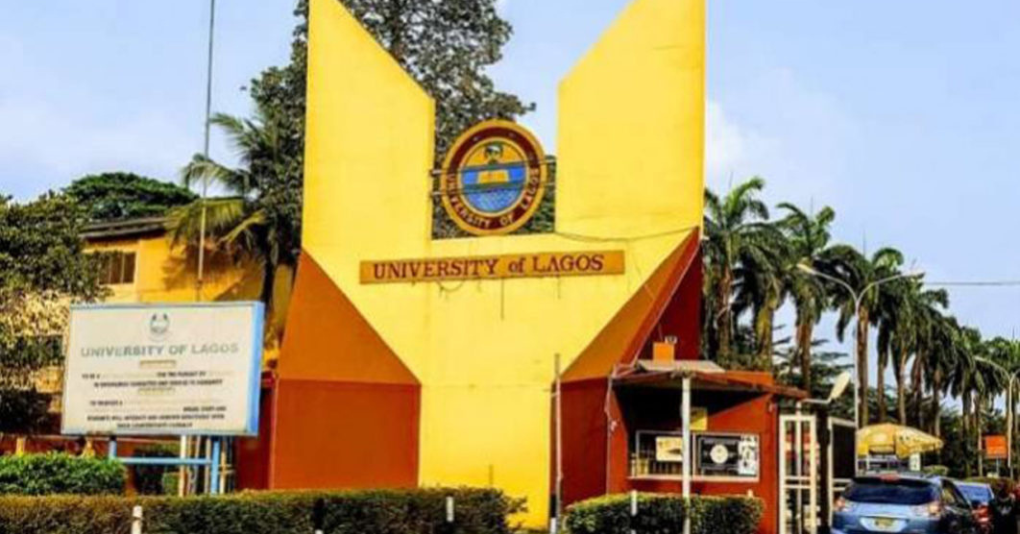
The University of Lagos (UNILAG), and university of Birmingham, in the United Kingdom (UK) have launched a surgery exchange and knowledge programme for clinicians to address Nigeria’s critical healthcare challenges and build local research capacity.
The partnership aims to bridge the gap between academic research and clinical practice.
By focusing on practical interventions, the alliance seeks to improve patient outcomes while providing world-class training within Nigeria.
These initiatives are currently targeting surgical wound infections and hernia treatment, with the broader goal of modernising Nigeria’s tertiary education sector.
If successful, it will revolutionise surgical safety and stem the tide of medical migration.
Addressing surgical safety
The initiative comes at a critical time for global health.
Nick Vaughan-Williams, professor and provost at the University of Birmingham, highlighted the staggering human cost of inadequate surgical care where intervention is needed to make it affordable.
“3.5 million people are at risk of death after surgery,” he noted, explaining that the current programme is designed to “intervene in order to reduce it and create practical solutions so that the surgical environment is much safer.”
In Nigeria, these efforts are already targeting specific medical challenges.
Afolabi Lesi, a professor and deputy vice-chancellor for Development Services, UNILAG, confirmed that the partnerships are “addressing specific problems in health, surgical wound infections, hernia, and a whole list of things.” He emphasised that the primary objective is a “direct impact on quality improvement in care, and on patient safety.”
Countering the ‘Japa’ phenomenon
One of the most ambitious goals of the partnership is to tackle “brain drain”, the exodus of skilled professionals.
By localising elite education, the institutions hope to retain talent within the country.
Adesoji Ademuyiwa, professor and director NIHR Global Health Research Unit in Nigeria, suggested that these collaborations offer a long-term solution to the health sector’s manpower crisis.
“What we are hoping for is that we can have a joint Masters degree, for example, so that people don’t need to travel abroad,” he said. He added that students would receive “the same quality of education here in Nigeria” and obtain certificates recognised globally.
Mentoring future leaders
The programme is also investing heavily in the next generation of clinicians. Dion Morton, professor and chair of Surgery at the University of Birmingham, pointed to a “team of medical students across Nigeria at five universities” currently being trained in surgical research. “They will be the leaders of the future,” he said, while noting the long-term benefits of developing research skills for both current and future scholars.
This sentiment was echoed by Dr. Kamil Shoretire, director of Health Planning, Research and Statistics at the Federal Ministry of Health who observed that involving medical students in high-level research provides a sense of hope and professional purpose. “We believe this will help them have more belief in our system in Nigeria and also reduce the tendency to want to ‘japa’,” he remarked, adding that the exposure is likely to increase interest in surgical specialities and research-based practice.
Through these combined efforts, the UK-Nigeria partnership aims to transform the country’s tertiary education and healthcare landscape, to prove that local solutions can meet global standards.
Share this post




Be the first to comment on this post