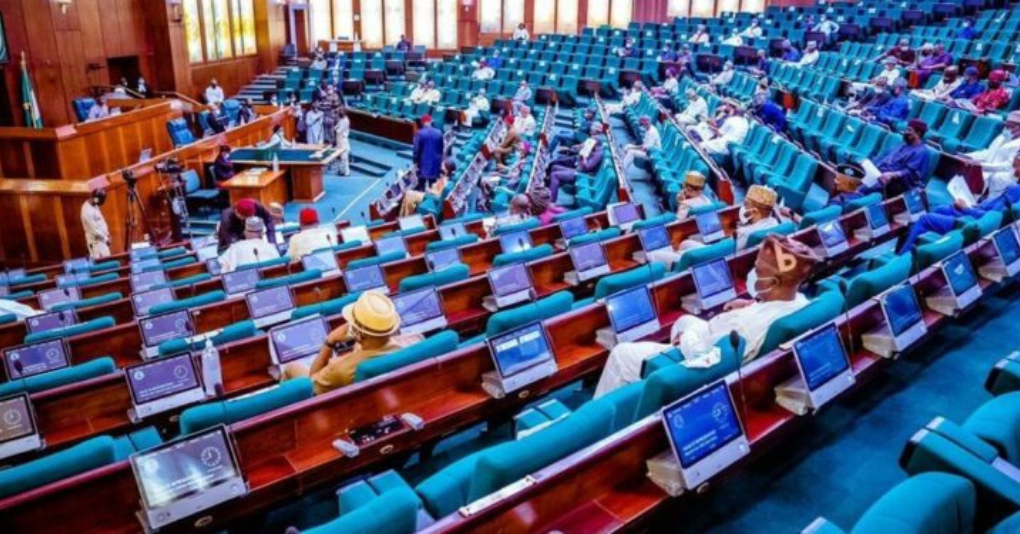
The House of Representatives Committee on Federal Polytechnics and Higher Technical Education on Tuesday approved the budget performance reports of federal polytechnics across the country, pledging intensified oversight and sustained engagement to reposition the sector for greater impact.
The approval followed an extensive budget defense session at the National Assembly Complex, Abuja, attended by rectors and other top officials of the institutions.
Chairman of the Committee, Fuad Kayode Laguda, said the endorsement of the reports reflects the committee’s confidence in the submissions made so far, but stressed that legislative monitoring would be strengthened to ensure improved outcomes.
“This approval does not mean we will relax,” Laguda said. “Oversight is a continuous process. We will continue to engage, monitor, and support these institutions to ensure that budgetary provisions translate into visible development.”
He described federal polytechnics as central to Nigeria’s industrialisation drive, noting that the country cannot achieve meaningful technological advancement without a vibrant and properly funded technical education system.
“Polytechnics are indispensable to Nigeria’s industrial and technological aspirations,” he said.
“The country’s quest for technological advancement cannot be achieved without well-funded and properly equipped technical institutions.”
Laguda emphasised that the committee views the institutions as partners in national development rather than adversaries.
“We are always partners in progress. Everything we do here is to improve the system and make things work better,” he stated. “Our goal is not to witch-hunt anyone but to ensure that public funds are judiciously utilised for the benefit of Nigerian students.”
He urged the Committee of Federal Rectors to ensure that institutions yet to submit their budget documents do so without delay.
“Timely submission of documents is not optional,” he said. “It is critical to effective legislative oversight. We expect full compliance so that we can discharge our constitutional responsibilities efficiently.”
The chairman further assured the rectors of the committee’s readiness to collaborate in addressing infrastructure deficits, funding constraints, and staffing shortages confronting the polytechnic system.
“If there are challenges, bring them forward. We are prepared to work with you to find practical solutions that will strengthen technical education in this country,” he added.
In a related development, the committee turned its attention to the operations of the Computer Professionals Registration Council of Nigeria (CPN), raising concerns over compliance issues and staffing capacity.
Lawmakers mandated the Registrar of the council, Mr. Adebayo Adegbiji, to submit all outstanding relevant documents within seven days. Laguda questioned the council’s operational structure, particularly its management of eight regional offices with only 58 staff members.
“With eight regional offices and just 58 staff, how are you able to effectively coordinate your operations?” he asked. “We need clarity on your staffing structure and how service delivery is sustained under such limitations.” He added that transparency and proper documentation are essential for accountability.
“Our duty is to ensure that regulatory bodies operate within the law and maintain the highest standards of governance. We expect all requested documents within the stipulated timeframe,” he said.
Responding, Adegbiji assured the committee of the council’s commitment to fulfilling its statutory mandate.
“The CPN is empowered to regulate and accredit private organisations operating within the Information and Communication Technology sector,” he said. “We remain committed to upholding professional standards and strengthening the ICT ecosystem in Nigeria.”
He pledged full cooperation with the committee, saying, “We will provide all outstanding documents within the seven-day window. We are ready to work closely with the committee to ensure accountability and improved sectoral performance.”
The session ended with the committee reiterating its resolve to sustain robust oversight across the polytechnic system and affiliated regulatory bodies to ensure efficiency, transparency, and alignment with national development goals.
Share this post





Be the first to comment on this post