New Sharjah Festival Celebrates African Literature

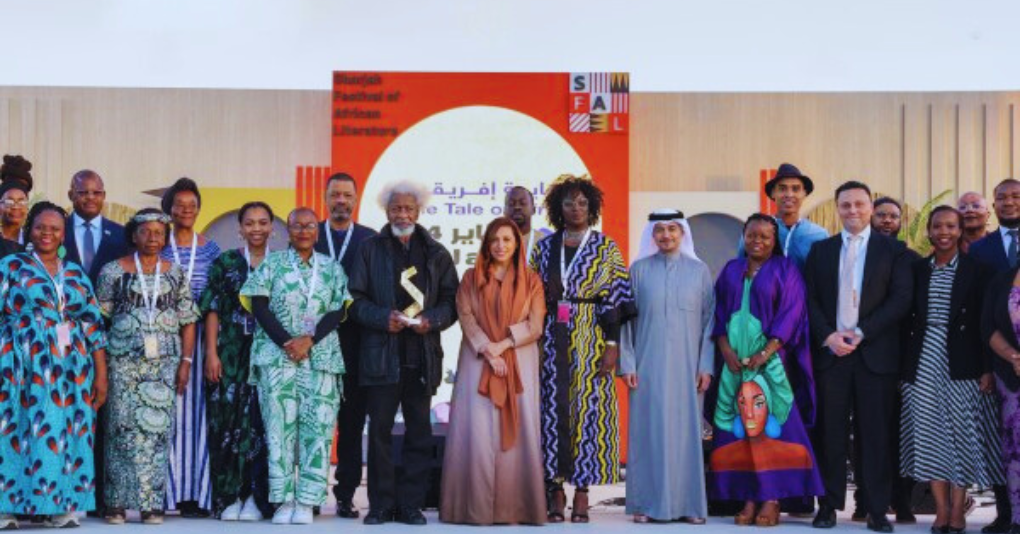
Nearly 20 writers and publishing personalities gathered in Sharjah for the first Sharjah Festival of African Literature.
Feb. 12th 2025
New Sharjah Festival Celebrates African Literature


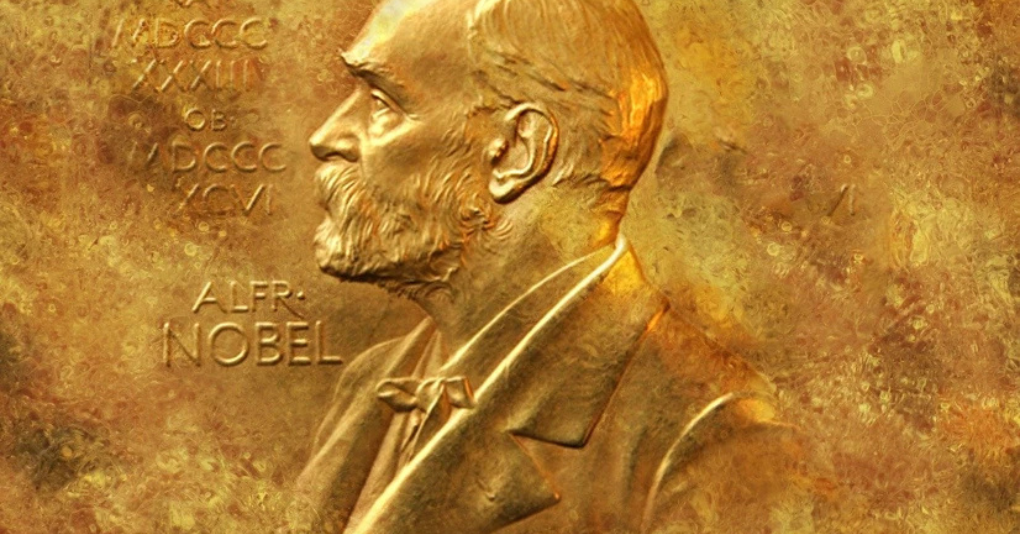
The inaugural Sharjah Festival of African Literature (SFAL) was held January 24–27 in University City, Sharjah, U.A.E., during the only time of year when cool temperatures allow for an outdoor event. The event was headlined by two Nobel Prize in Literature winners, Tanzania's Abdulrazak Gurnah and Nigeria's Wole Soyinka, as well as 15 renowned authors, storytellers, booksellers, organizers of literary festivals on the African continent, and literacy advocates.

Lola Shoneyin, the award-winning Nigerian poet and organizer of Nigeria's largest literary festival, the Aké Arts and Book Festival, cocurated the festival with the Sharjah Book Authority, and praised the emirate's ongoing efforts to unite the book industry in the global south through its fairs and conferences. She cited Sheikha Bodour Al Qasimi, who was present at the inaugural event, as a "friend of Africa in the truest sense of the word," adding that the festival provides an opportunity to take a step toward discovering the stories that have shaped the identities of the African continent and the Middle East, with a past that is sometimes shared.

Sheikha Bodour Al Qasimi has regularly shown her support for the book industry on the African continent, an interest she developed in particular when she was VP and then president of the International Publishers Association from 2019 to 2022. During her tenure, the IPA launched a series of seminars in Africa, and Al Qasimi spoke often of her confidence in the progress of the publishing sector on the continent.

For several years now, African publishers have been increasingly present at the Publishers Conference in Sharjah that precedes the Sharjah International Book Fair, with 55 African publishers attending the conference in 2024. While the United Arab Emirates—and in particular Abu Dhabi—have become major investors in the African continent, the emirate of Sharjah focuses largely on soft power.

Sheikh Dr. Sultan bin Muhammad Al Qasimi, ruler of Sharjah and an author and historian, has long shown a keen interest in the African continent and its historical links with the Gulf region, once part of the maritime empire of Oman. 

As far back as 1976, Al Qasimi launched a symposium on African and Arab relations, which 40 years later gave rise to the creation of the Africa Institute and, later, the Global Studies University, which focuses on Afro-Arab cultural and academic exchanges in Sharjah. Both institutions are managed by his daughter, the artist and curator Sheikha Hoor Al Qasimi, in tandem with the Sudanese art historian Salah M. Hassan.

SFAL hosted talks with, among others, the Nigerian American writer Nnedi Okorafor, whose latest book is the recently published Death of the Author. Other authors included Petina Gappah of Zimbabwe, Jennifer Makumbi of Uganda, Yvonne Owuor of Kenya, and Chika Unigwe of Nigeria. The Franco-Congolese writer Alain Mabanckou traveled from Los Angeles, where he teaches literature at UCLA, to attend. "I'm sort of the token Francophone writer," he remarked, noting that crossovers between the Francophone and Anglophone worlds in Africa remain somewhat rare. With most of his novels translated into English, Mabanckou is read and known in Anglophone Africa, and often finds himself at this crossroad.

The one author who best embodied the link between the Emirates and the African continent was the 2021 Nobel Prize winner Gurnah, who grew up on the island of Zanzibar, long an important trading post in the region. Between the 17th and 19th centuries, Zanzibar was governed by the Sultanate of Oman, a past that Gurnah explores in his novels.

Share this post

0 Comment

    Be the first to comment on this post

Leave a comment

More Blog Posts
Image Aug 19th. 2026

Amadeus University Receives Approval to Offer Law Degree

 The Council of Legal Education has approved the study of law to the Amadeus University, Amazi,......

Continue Reading

Image Aug 19th. 2026

Enugu Governor Appeals to Lecturers in ESUT to Suspend Strike, Commits to Upgrading Monthly Subvention

 The Enugu State Government has appealed to the Academic Staff Union of Universities (ASUU), En......

Continue Reading

Image Aug 19th. 2026

Kano Launches N27.8bn ICT, CBT Project to Benefit 44 LGAs

 The Kano State Government has awarded contracts worth ₦27.8 billion for the construction of In......

Continue Reading

Image Aug 19th. 2026

UI Top Global Ranking of Nigerian Institutions

 The University of Ibadan has emerged as the highest-ranked Nigerian university in the July 202......

Continue Reading

--> New Sharjah Festival Celebrates African Literature - Boldscholar News

New Sharjah Festival Celebrates African Literature

Nearly 20 writers and publishing personalities gathered in Sharjah for the first Sharjah Festival of African Literature.
Feb. 12th 2025
New Sharjah Festival Celebrates African Literature


The inaugural Sharjah Festival of African Literature (SFAL) was held January 24–27 in University City, Sharjah, U.A.E., during the only time of year when cool temperatures allow for an outdoor event. The event was headlined by two Nobel Prize in Literature winners, Tanzania's Abdulrazak Gurnah and Nigeria's Wole Soyinka, as well as 15 renowned authors, storytellers, booksellers, organizers of literary festivals on the African continent, and literacy advocates.

Lola Shoneyin, the award-winning Nigerian poet and organizer of Nigeria's largest literary festival, the Aké Arts and Book Festival, cocurated the festival with the Sharjah Book Authority, and praised the emirate's ongoing efforts to unite the book industry in the global south through its fairs and conferences. She cited Sheikha Bodour Al Qasimi, who was present at the inaugural event, as a "friend of Africa in the truest sense of the word," adding that the festival provides an opportunity to take a step toward discovering the stories that have shaped the identities of the African continent and the Middle East, with a past that is sometimes shared.

Sheikha Bodour Al Qasimi has regularly shown her support for the book industry on the African continent, an interest she developed in particular when she was VP and then president of the International Publishers Association from 2019 to 2022. During her tenure, the IPA launched a series of seminars in Africa, and Al Qasimi spoke often of her confidence in the progress of the publishing sector on the continent.

For several years now, African publishers have been increasingly present at the Publishers Conference in Sharjah that precedes the Sharjah International Book Fair, with 55 African publishers attending the conference in 2024. While the United Arab Emirates—and in particular Abu Dhabi—have become major investors in the African continent, the emirate of Sharjah focuses largely on soft power.

Sheikh Dr. Sultan bin Muhammad Al Qasimi, ruler of Sharjah and an author and historian, has long shown a keen interest in the African continent and its historical links with the Gulf region, once part of the maritime empire of Oman. 

As far back as 1976, Al Qasimi launched a symposium on African and Arab relations, which 40 years later gave rise to the creation of the Africa Institute and, later, the Global Studies University, which focuses on Afro-Arab cultural and academic exchanges in Sharjah. Both institutions are managed by his daughter, the artist and curator Sheikha Hoor Al Qasimi, in tandem with the Sudanese art historian Salah M. Hassan.

SFAL hosted talks with, among others, the Nigerian American writer Nnedi Okorafor, whose latest book is the recently published Death of the Author. Other authors included Petina Gappah of Zimbabwe, Jennifer Makumbi of Uganda, Yvonne Owuor of Kenya, and Chika Unigwe of Nigeria. The Franco-Congolese writer Alain Mabanckou traveled from Los Angeles, where he teaches literature at UCLA, to attend. "I'm sort of the token Francophone writer," he remarked, noting that crossovers between the Francophone and Anglophone worlds in Africa remain somewhat rare. With most of his novels translated into English, Mabanckou is read and known in Anglophone Africa, and often finds himself at this crossroad.

The one author who best embodied the link between the Emirates and the African continent was the 2021 Nobel Prize winner Gurnah, who grew up on the island of Zanzibar, long an important trading post in the region. Between the 17th and 19th centuries, Zanzibar was governed by the Sultanate of Oman, a past that Gurnah explores in his novels.

Share this post

0 Comment

    Be the first to comment on this post

Leave a comment

More Blog Posts
Image Aug 19th. 2026

Amadeus University Receives Approval to Offer Law Degree

 The Council of Legal Education has approved the study of law to the Amadeus University, Amazi,......

Continue Reading

Image Aug 19th. 2026

Enugu Governor Appeals to Lecturers in ESUT to Suspend Strike, Commits to Upgrading Monthly Subvention

 The Enugu State Government has appealed to the Academic Staff Union of Universities (ASUU), En......

Continue Reading

Image Aug 19th. 2026

Kano Launches N27.8bn ICT, CBT Project to Benefit 44 LGAs

 The Kano State Government has awarded contracts worth ₦27.8 billion for the construction of In......

Continue Reading

Image Aug 19th. 2026

UI Top Global Ranking of Nigerian Institutions

 The University of Ibadan has emerged as the highest-ranked Nigerian university in the July 202......

Continue Reading

-->