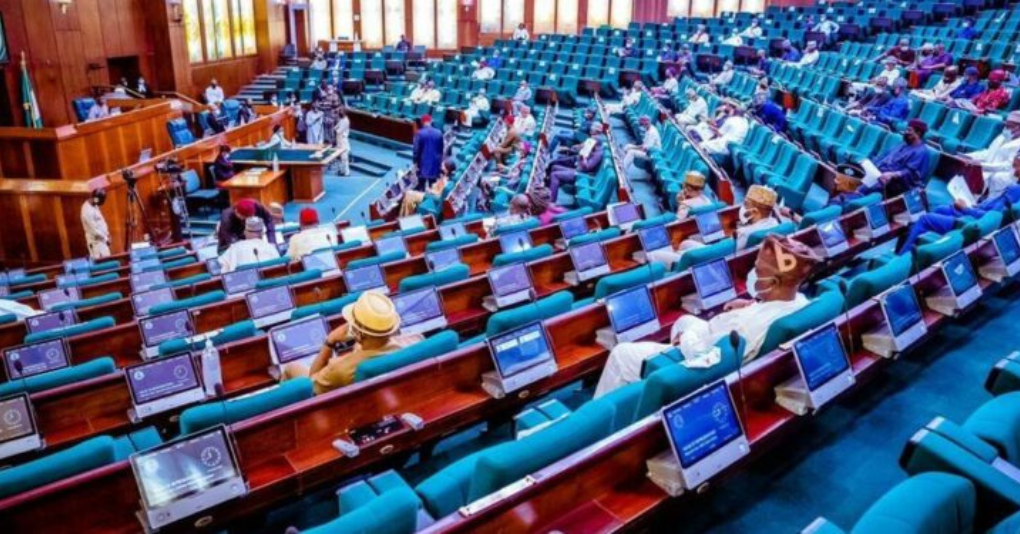
Lawmakers Condemns Teaching Hospitals Over Neglect of Research

The Chairman of the House Committee on Health Institutions, Dr. Patrick Umoh, expressed concern that teaching hospitals have neglected their fundamental responsibility of research and are now functioning largely as general hospitals.
Feb. 11th 2026
Lawmakers Condemns Teaching Hospitals Over Neglect of Research


The House of Representatives has called on tertiary health institutions nationwide, especially university teaching hospitals, to refocus on medical research instead of waiting for crises like the COVID-19 pandemic before taking action.

The appeal was made on Tuesday during the budget defence session for Federal University Teaching Hospitals, Federal Teaching Hospitals, and Federal Medical Centres. 

The Chairman of the House Committee on Health Institutions, Dr. Patrick Umoh, expressed concern that teaching hospitals have neglected their fundamental responsibility of research and are now functioning largely as general hospitals.

Dr. Umoh faulted the Chief Medical Directors (CMDs) for devoting less than one per cent of their annual budgets to research, stressing they have consistently failed to prioritise or highlight research funding during budget preparation processes.

He stated that teaching hospitals are meant to serve as research hubs, but lamented that CMDs rarely raise concerns about inadequate research funding, choosing instead to focus mainly on infrastructural needs, a situation he said makes them complicit in the problem.

Referencing the COVID-19 pandemic, Dr. Umoh noted the health sector was ill-prepared, adding sarcastically that traditional medicine practitioners appeared to perform better during the crisis.

He further observed that during numerous oversight visits, no teaching hospital had been able to point to a dedicated research facility as evidence of active research work.

Responding on behalf of the Committee of Chief Medical Directors, the committee’s Secretary and Chief Medical Director of the Jos University Teaching Hospital, Prof. Pokop Wushipba Bupwatda, explained that only about one per cent of teaching hospitals’ budgets is allocated to research, noting that this budget line is often removed during the budgeting process.

Prof. Bupwatda urged for increased funding for the health sector to facilitate the recruitment of qualified personnel and improve staff welfare, measures he said are necessary to address the ongoing “japa syndrome.”

He revealed that many federal hospitals are severely understaffed, particularly in terms of medical doctors, and added that even when recruitment approvals are granted, few doctors apply. 

Despite these difficulties, he said existing staff continue to provide quality healthcare services and deserve recognition.

He further expressed worry that public discussions tend to focus on isolated failures within the health sector rather than acknowledging the progress achieved, which he said has attracted foreign interest in Nigeria’s healthcare system.

According to Prof. Bupwatda, the sector is facing numerous operational challenges, including the release of only about 30 per cent of the 2025 budget to federal tertiary health institutions, despite the House of Representatives’ efforts to improve funding allocations.

He also identified electricity supply as a significant challenge, explaining that hospitals incur huge electricity costs because of their need for uninterrupted power to run critical equipment and deliver patient care. 

He noted that federal hospitals are currently placed on Band A electricity tariffs, further increasing financial pressure, in addition to the cost of powering generators.

Prof. Bupwatda welcomed the proposal to provide solar mini-grids for teaching hospitals and federal medical centres, describing the initiative as a positive and timely intervention.

He also appealed to the committee to approve take-off grants for about seven newly established federal health institutions to enable them to begin operations effectively.

Share this post

0 Comment

    Be the first to comment on this post

Leave a comment

More Blog Posts
Image Aug 21st. 2026

Ohanaeze Ndigbo Approves Academic Bursary for 200 Students Studying Igbo Language

 Ohanaeze Ndigbo Worldwide has approved academic bursaries for 200 students studying Igbo in un......

Continue Reading

Image Aug 21st. 2026

Keystone Bank Inducts 62 Young Professionals from Learning Academy

 Keystone Bank Limited has graduated and inducted 62 young professionals from the 29th Stream o......

Continue Reading

Image Aug 21st. 2026

Google Unveils 12-Month Free AI Offer for Nigerian Students

 Google has launched a new initiative offering eligible students in Nigerian higher institution......

Continue Reading

Image Aug 21st. 2026

Jigawa Govt Supports Digital Education with ICT Tablets worth over N283m

 The Jigawa State Government has approved the sum of N283.2 million for the procurement of 1,50......

Continue Reading

--> Lawmakers Condemns Teaching Hospitals Over Neglect of Research - Boldscholar News

Lawmakers Condemns Teaching Hospitals Over Neglect of Research

The Chairman of the House Committee on Health Institutions, Dr. Patrick Umoh, expressed concern that teaching hospitals have neglected their fundamental responsibility of research and are now functioning largely as general hospitals.
Feb. 11th 2026
Lawmakers Condemns Teaching Hospitals Over Neglect of Research


The House of Representatives has called on tertiary health institutions nationwide, especially university teaching hospitals, to refocus on medical research instead of waiting for crises like the COVID-19 pandemic before taking action.

The appeal was made on Tuesday during the budget defence session for Federal University Teaching Hospitals, Federal Teaching Hospitals, and Federal Medical Centres. 

The Chairman of the House Committee on Health Institutions, Dr. Patrick Umoh, expressed concern that teaching hospitals have neglected their fundamental responsibility of research and are now functioning largely as general hospitals.

Dr. Umoh faulted the Chief Medical Directors (CMDs) for devoting less than one per cent of their annual budgets to research, stressing they have consistently failed to prioritise or highlight research funding during budget preparation processes.

He stated that teaching hospitals are meant to serve as research hubs, but lamented that CMDs rarely raise concerns about inadequate research funding, choosing instead to focus mainly on infrastructural needs, a situation he said makes them complicit in the problem.

Referencing the COVID-19 pandemic, Dr. Umoh noted the health sector was ill-prepared, adding sarcastically that traditional medicine practitioners appeared to perform better during the crisis.

He further observed that during numerous oversight visits, no teaching hospital had been able to point to a dedicated research facility as evidence of active research work.

Responding on behalf of the Committee of Chief Medical Directors, the committee’s Secretary and Chief Medical Director of the Jos University Teaching Hospital, Prof. Pokop Wushipba Bupwatda, explained that only about one per cent of teaching hospitals’ budgets is allocated to research, noting that this budget line is often removed during the budgeting process.

Prof. Bupwatda urged for increased funding for the health sector to facilitate the recruitment of qualified personnel and improve staff welfare, measures he said are necessary to address the ongoing “japa syndrome.”

He revealed that many federal hospitals are severely understaffed, particularly in terms of medical doctors, and added that even when recruitment approvals are granted, few doctors apply. 

Despite these difficulties, he said existing staff continue to provide quality healthcare services and deserve recognition.

He further expressed worry that public discussions tend to focus on isolated failures within the health sector rather than acknowledging the progress achieved, which he said has attracted foreign interest in Nigeria’s healthcare system.

According to Prof. Bupwatda, the sector is facing numerous operational challenges, including the release of only about 30 per cent of the 2025 budget to federal tertiary health institutions, despite the House of Representatives’ efforts to improve funding allocations.

He also identified electricity supply as a significant challenge, explaining that hospitals incur huge electricity costs because of their need for uninterrupted power to run critical equipment and deliver patient care. 

He noted that federal hospitals are currently placed on Band A electricity tariffs, further increasing financial pressure, in addition to the cost of powering generators.

Prof. Bupwatda welcomed the proposal to provide solar mini-grids for teaching hospitals and federal medical centres, describing the initiative as a positive and timely intervention.

He also appealed to the committee to approve take-off grants for about seven newly established federal health institutions to enable them to begin operations effectively.

Share this post

0 Comment

    Be the first to comment on this post

Leave a comment

More Blog Posts
Image Aug 21st. 2026

Ohanaeze Ndigbo Approves Academic Bursary for 200 Students Studying Igbo Language

 Ohanaeze Ndigbo Worldwide has approved academic bursaries for 200 students studying Igbo in un......

Continue Reading

Image Aug 21st. 2026

Keystone Bank Inducts 62 Young Professionals from Learning Academy

 Keystone Bank Limited has graduated and inducted 62 young professionals from the 29th Stream o......

Continue Reading

Image Aug 21st. 2026

Google Unveils 12-Month Free AI Offer for Nigerian Students

 Google has launched a new initiative offering eligible students in Nigerian higher institution......

Continue Reading

Image Aug 21st. 2026

Jigawa Govt Supports Digital Education with ICT Tablets worth over N283m

 The Jigawa State Government has approved the sum of N283.2 million for the procurement of 1,50......

Continue Reading

-->