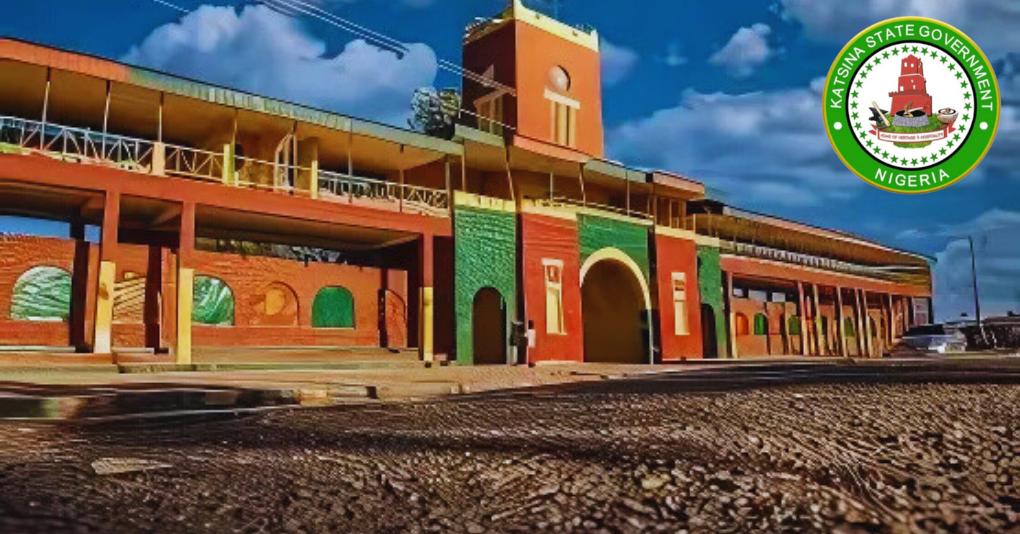
The Katsina State Bureau of Statistics, partnering UNICEF, has commenced a statewide almajiri and Islamiyya School census to reform traditional education through evidence-based planning and improved policy coordination framework statewide.
The exercise, inaugurated Saturday in Katsina, included training 200 enumerators to collect comprehensive data on almajiri and Islamiyya schools across all local government areas statewide.
Governor Dikko Radda described the census as a crucial intervention promoting social justice, inclusive development, and informed governance, reaffirming his administration’s commitment to structured, sustainable reforms respecting religious and cultural heritage.
Represented by adviser Tasi’u Dandagoro, the governor said the almajiri system remained deeply rooted in Katsina’s heritage, nurturing moral discipline and religious knowledge in spite of changing social realities and modern pressures.
Mr Radda recalled Katsina’s history as an Islamic scholarship centre, symbolised by the Gobarau Minaret, noting many leaders and technocrats emerged from the traditional almajiri system, known as Makarantar Allo education legacy.
In spite of its legacy, the governor said rapid social change and modernisation weakened traditional support structures, making the census a strategic step for dependable data guiding targeted sector reforms statewide education planning.
Commissioner Malik Anas called the census critical for inclusive development and child protection, saying reliable data would improve planning, empower learners, teachers, and communities across Katsina State through targeted policy interventions.
Statistician-general, Saifullahi Sani, said the census would build a comprehensive database covering enrolment, teachers, infrastructure, and pupil livelihoods, strengthening Qur’anic education and ensuring no child was left behind statewide efforts.
Share this post



Be the first to comment on this post