
The Federal Government has advanced plans to establish the Armed Forces College of Medicine and Health Sciences to strengthen military healthcare services and expand Nigeria’s medical training capacity.
This was disclosed in a statement issued Saturday in Abuja by Folasade Boriowo, Director of Press and Public Relations at the Federal Ministry of Education.
The initiative is designed to address manpower shortages within the armed forces while supporting broader efforts to tackle Nigeria’s growing deficit of medical professionals.
According to Minister of Education, Tunji Alausa, the proposed college aligns with the Federal Government’s reform agenda and efforts to strengthen science, technology and medical sciences education.
The minister disclosed the development during a high-level meeting with Christopher Musa, alongside Minister of State for Education Prof. Suwaiba Ahmad and Minister of State for Defence Dr. Bello Matawalle.
Alausa said the institution will create a structured pipeline of military-trained doctors, surgeons, trauma specialists, emergency response medics and allied health professionals to support national security and public health needs.
To comply with the Federal Government’s seven-year moratorium on new tertiary institutions, the Nigerian Defence Academy will establish the college within its existing framework.
The institution will be located in Lagos State and linked to accredited federal and military hospitals for clinical training. Training will be anchored at designated military medical facilities, including the 68 Nigerian Army Reference Hospital and the 661 Nigerian Air Force Hospital in Lagos.
Medical cadets will undergo an eight-year programme comprising six years of academic training, one year of military training and one year of housemanship. Graduates are expected to combine medical expertise with discipline, leadership skills and operational readiness for military service.
Nigeria faces a growing shortage of medical professionals despite a population exceeding 240 million.
The minister noted that the country has a deficit of about 340,000 doctors, underscoring the urgency for scalable training solutions.
The minister added that annual medical school admissions have been increased from about 5,000 to nearly 10,000, with projections to reach about 19,000 yearly in the coming years.
The proposed college is expected to play a critical role in achieving this expansion.
A Technical Working Group has been constituted to ensure regulatory compliance and quality assurance.
Members include representatives from the Ministries of Education and Defence, the Nigerian Defence Academy, and relevant professional and regulatory bodies.
The government aims to commence admissions by October or November 2026.
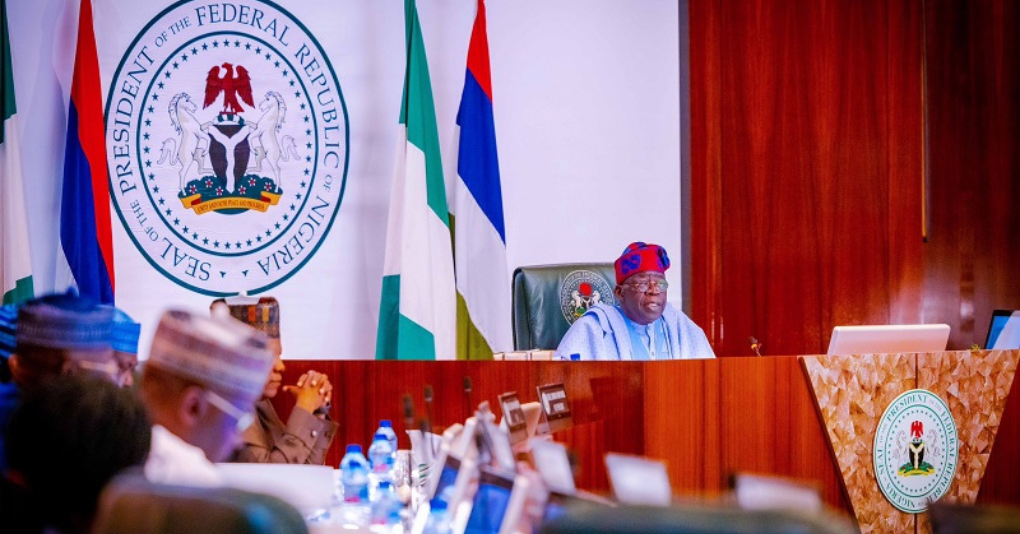
The minister also expressed appreciation to Bola Tinubu for supporting human capital development and national security priorities, reaffirming the ministry’s commitment to delivering the project in line with national standards and global best practices.
Share this post

Be the first to comment on this post