
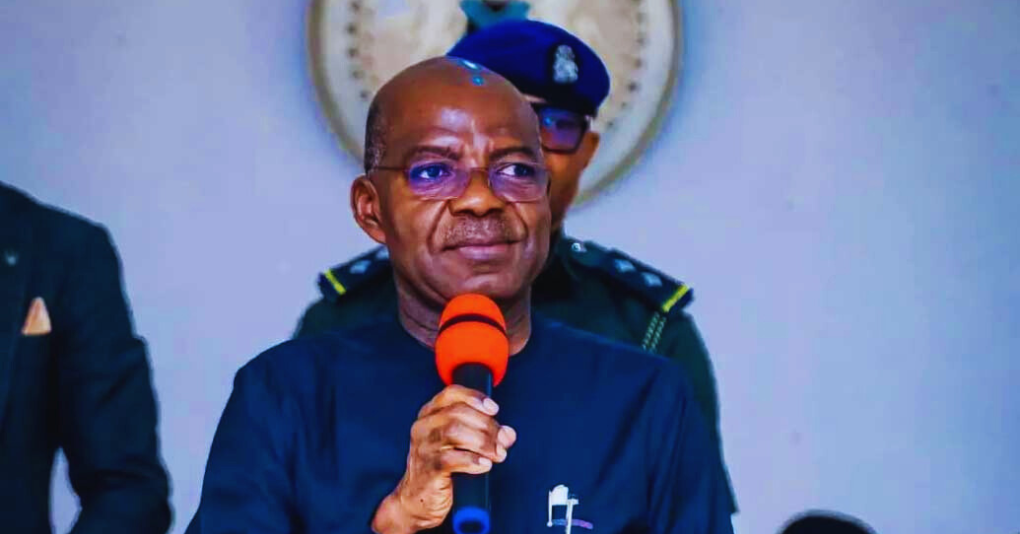
The Minister of Education Dr. Tunji Alausa recently paid a visit to the Lagos T-VET Centre, a Programme Targeting 960,000 Verified Youths
Following the UNILAG launch, the minister visited a Technical and Vocational Education and Training (TVET) centre in Lagos, where he briefed journalists on the scope of the nationwide vocational programme.
He explained that the visit was part of oversight on the massive national skills initiative recently rolled out.
“The visitation is all about a technical vocational education trainee that was rolled out, a programme that is designed to give our teaming youth life skills, for them to be able to contribute to their society, to the country and the world at large,” he told reporters.
According to him, the programme was personally ordered by President Tinubu. “President Bola Tinubu directed us that we need to start giving our children the life skills that they need. He provided adequate funding for us.”
Alausa said the government selected priority skill areas based on national needs. “With our own mapping analysis, fashion and garment making was number one, almost across the country. Livestock farming, solar photovoltaic installation, electrical installation, computer and GSM repair, as well as plumbing and air conditioner repair. We had almost 28 skills,” he stated.
He explained that the T-VET programme was designed in four phases, covering training fees, support for training centres, and post-training empowerment. “We would pay the students to go for the training. We’re paying the skill training centres. We’re also paying the Vocational Enterprise Institute. Every single student will get a starter pack to help them start,” he said.
He added that the goal was to create new generations of entrepreneurs. “Our goal is to empower them to be the next micro entrepreneurs, the next small business entrepreneurs, the next medium business entrepreneurs.”
Explaining the success of the programme’s rollout, Alausa said, “Within 10 days, we had 1.3 million young Nigerians apply. As of today, we have 960,000 students verified. The first cohort, we’re training about 250,000. As of today, we have about 130,000 of these students in over 1,600 centres across 36 states and the FCT. They will start receiving their monthly stipend probably in the next few days,” he said.
The minister also emphasised quality assurance and accreditation. “We’ve carefully done this so that this becomes a standard way of training. We’ve designed it in such a way that these programmes are well-quality assured, high-quality training programmes.”
He added that the initiative aligns with Nigeria’s economic ambitions. “This is what any country needs to build our manufacturing base and meet our agenda of a $1 trillion economy by the year 2030.”
Share this post



Be the first to comment on this post