FG Declares Seven-Year Ban on Establishment of New Tertiary Institutions

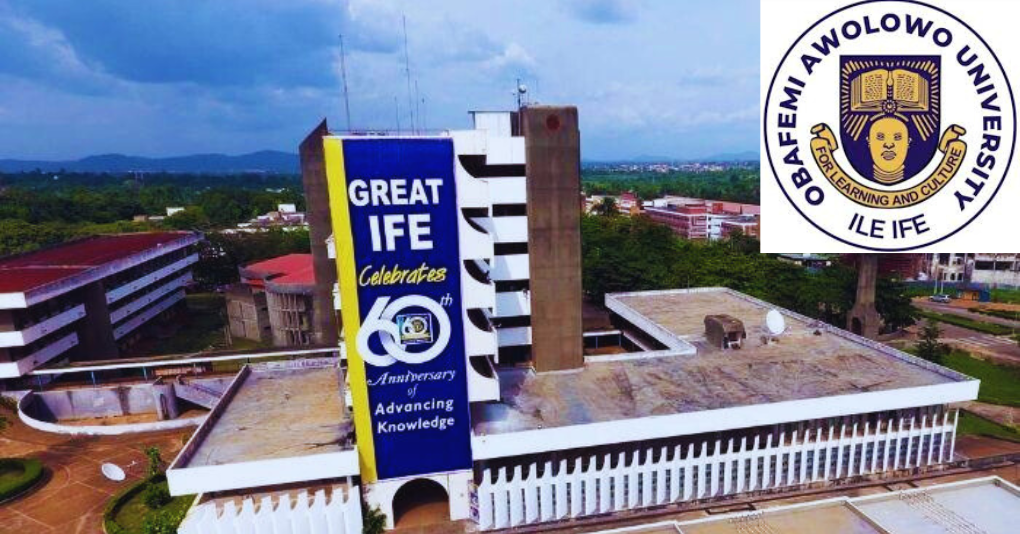
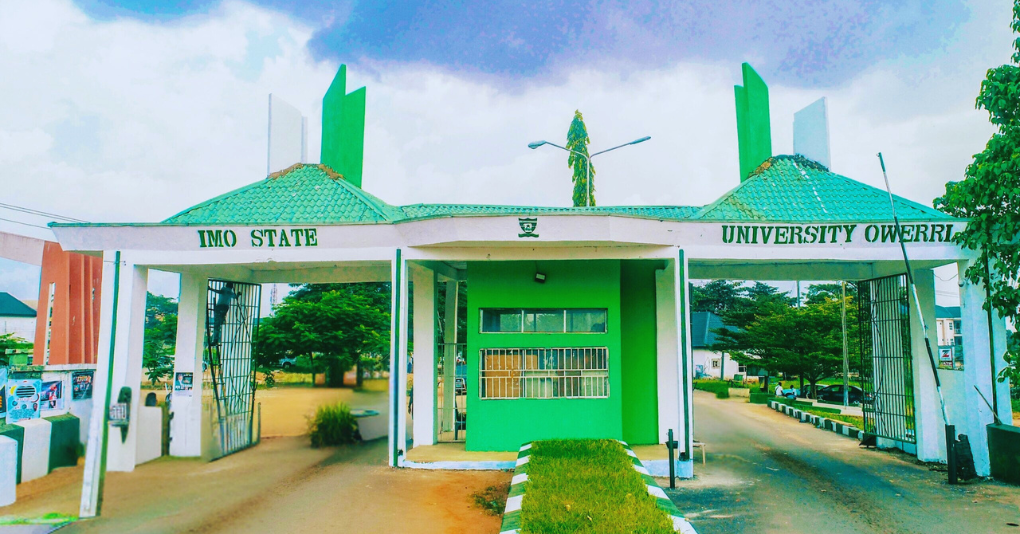
The Federal Government has imposed a seven-year moratorium on the establishment of new federal universities, polytechnics and colleges of education, citing the proliferation of under-utilised institutions, overstretched resources, and a drop in academic quality.
Aug. 14th 2025
FG Declares Seven-Year Ban on Establishment of New Tertiary Institutions


The Federal Government has imposed a seven-year moratorium on the establishment of new federal universities, polytechnics and colleges of education, citing the proliferation of under-utilised institutions, overstretched resources, and a drop in academic quality.

The decision was approved at Wednesday’s Federal Executive Council meeting presided over by President Bola Tinubu at the Presidential Villa, Abuja, followed a presentation by the Minister of Education, Dr. Tunji Alausa.

The FEC, however, approved nine new universities despite the freeze.

Briefing State House correspondents after the meeting, Alausa said the challenge in Nigeria’s tertiary education system was no longer access but inefficiency, poor infrastructure, inadequate staffing, and dwindling enrolment in many existing institutions.

“Several federal universities operate far below capacity, with some having fewer than 2,000 students. In one northern university, there are 1,200 staff serving fewer than 800 students. This is a waste of government resources,” he stated.

The minister noted that 199 universities received fewer than 100 applications through the Joint Admissions and Matriculation Board last year, with 34 recording zero applications.

Of the 295 polytechnics nationwide, he said many had fewer than 99 applicants, while 219 colleges of education also posted poor enrolment figures, including 64 with no applications at all.

Alausa warned that unchecked proliferation of poorly subscribed institutions risked producing ill-prepared graduates, eroding the value of Nigerian degrees internationally, and worsening unemployment.

He explained that the moratorium would enable the government to channel resources into upgrading facilities, hiring qualified staff, and expanding the carrying capacity of existing institutions.

“If we want to improve quality and not be a laughing stock globally, the pragmatic step is to pause the establishment of new federal institutions,” he said.

Nigeria currently has 72 federal universities, 42 federal polytechnics, and 28 federal colleges of education, in addition to hundreds of state-owned and private tertiary institutions, as well as specialised schools such as colleges of agriculture, health sciences, and nursing.

The minister confirmed that the FEC, however, approved nine new universities at the meeting.

He clarified that the approved universities were private institutions whose applications had been pending for up to six years and had undergone full evaluation by the National Universities Commission.

“When we assumed office, there were 551 applications for private universities. Many had been stuck due to inefficiencies at the NUC. We deactivated over 350 dormant applications and set new, stricter guidelines. Of the 79 active cases, nine met the criteria and were approved,” Alausa said.

He added that billions of naira had already been invested in infrastructure for the approved institutions.

He stressed that the moratorium also extends to new private polytechnics and colleges of education to prevent further under-enrolment.

Alausa commended President Tinubu for supporting the reform, describing it as a reset button for Nigeria’s tertiary education.

“Mr President believes fervently in education and has given us the mandate to ensure every Nigerian has access to the highest quality of education comparable to anywhere in the world,” he added.

Share this post

0 Comment

    Be the first to comment on this post

Leave a comment

More Blog Posts
Image Aug 27th. 2026

Three Finalist Emerge in The 2026 Nigeria Prize for Literature

 Three Poets have emerged finalists as the race for the 2026 The Nigeria Prize for Literature r......

Continue Reading

Image Aug 27th. 2026

16-year-old Student Launches Initiative to Bring STEM Education to Orphans

 A 16-year-old secondary school student, Nwabueze Olaedo, has launched an innovative initiative......

Continue Reading

Image Aug 27th. 2026

Anambra's first Lady Launches Free Computer Training for Students, Youths

 Wife of Anambra State Governor, Dr Nonye Soludo, has announced a free one-month computer train......

Continue Reading

Image Aug 27th. 2026

NUC Unveils National STEM Strategy to Boost Innovation in Varsities

 The National Universities Commission (NUC) has unveiled a National Science, Technology, Engine......

Continue Reading

--> FG Declares Seven-Year Ban on Establishment of New Tertiary Institutions - Boldscholar News

FG Declares Seven-Year Ban on Establishment of New Tertiary Institutions

The Federal Government has imposed a seven-year moratorium on the establishment of new federal universities, polytechnics and colleges of education, citing the proliferation of under-utilised institutions, overstretched resources, and a drop in academic quality.
Aug. 14th 2025
FG Declares Seven-Year Ban on Establishment of New Tertiary Institutions


The Federal Government has imposed a seven-year moratorium on the establishment of new federal universities, polytechnics and colleges of education, citing the proliferation of under-utilised institutions, overstretched resources, and a drop in academic quality.

The decision was approved at Wednesday’s Federal Executive Council meeting presided over by President Bola Tinubu at the Presidential Villa, Abuja, followed a presentation by the Minister of Education, Dr. Tunji Alausa.

The FEC, however, approved nine new universities despite the freeze.

Briefing State House correspondents after the meeting, Alausa said the challenge in Nigeria’s tertiary education system was no longer access but inefficiency, poor infrastructure, inadequate staffing, and dwindling enrolment in many existing institutions.

“Several federal universities operate far below capacity, with some having fewer than 2,000 students. In one northern university, there are 1,200 staff serving fewer than 800 students. This is a waste of government resources,” he stated.

The minister noted that 199 universities received fewer than 100 applications through the Joint Admissions and Matriculation Board last year, with 34 recording zero applications.

Of the 295 polytechnics nationwide, he said many had fewer than 99 applicants, while 219 colleges of education also posted poor enrolment figures, including 64 with no applications at all.

Alausa warned that unchecked proliferation of poorly subscribed institutions risked producing ill-prepared graduates, eroding the value of Nigerian degrees internationally, and worsening unemployment.

He explained that the moratorium would enable the government to channel resources into upgrading facilities, hiring qualified staff, and expanding the carrying capacity of existing institutions.

“If we want to improve quality and not be a laughing stock globally, the pragmatic step is to pause the establishment of new federal institutions,” he said.

Nigeria currently has 72 federal universities, 42 federal polytechnics, and 28 federal colleges of education, in addition to hundreds of state-owned and private tertiary institutions, as well as specialised schools such as colleges of agriculture, health sciences, and nursing.

The minister confirmed that the FEC, however, approved nine new universities at the meeting.

He clarified that the approved universities were private institutions whose applications had been pending for up to six years and had undergone full evaluation by the National Universities Commission.

“When we assumed office, there were 551 applications for private universities. Many had been stuck due to inefficiencies at the NUC. We deactivated over 350 dormant applications and set new, stricter guidelines. Of the 79 active cases, nine met the criteria and were approved,” Alausa said.

He added that billions of naira had already been invested in infrastructure for the approved institutions.

He stressed that the moratorium also extends to new private polytechnics and colleges of education to prevent further under-enrolment.

Alausa commended President Tinubu for supporting the reform, describing it as a reset button for Nigeria’s tertiary education.

“Mr President believes fervently in education and has given us the mandate to ensure every Nigerian has access to the highest quality of education comparable to anywhere in the world,” he added.

Share this post

0 Comment

    Be the first to comment on this post

Leave a comment

More Blog Posts
Image Aug 27th. 2026

Three Finalist Emerge in The 2026 Nigeria Prize for Literature

 Three Poets have emerged finalists as the race for the 2026 The Nigeria Prize for Literature r......

Continue Reading

Image Aug 27th. 2026

16-year-old Student Launches Initiative to Bring STEM Education to Orphans

 A 16-year-old secondary school student, Nwabueze Olaedo, has launched an innovative initiative......

Continue Reading

Image Aug 27th. 2026

Anambra's first Lady Launches Free Computer Training for Students, Youths

 Wife of Anambra State Governor, Dr Nonye Soludo, has announced a free one-month computer train......

Continue Reading

Image Aug 27th. 2026

NUC Unveils National STEM Strategy to Boost Innovation in Varsities

 The National Universities Commission (NUC) has unveiled a National Science, Technology, Engine......

Continue Reading

-->