The Federal Government yesterday inaugurated a Ministerial Implementation and Monitoring Committee to fast-track the completion, handover and operation of the Universal Basic Education Commission’s (UBEC) Smart, Bilingual, and Alternative schools projects nationwide.
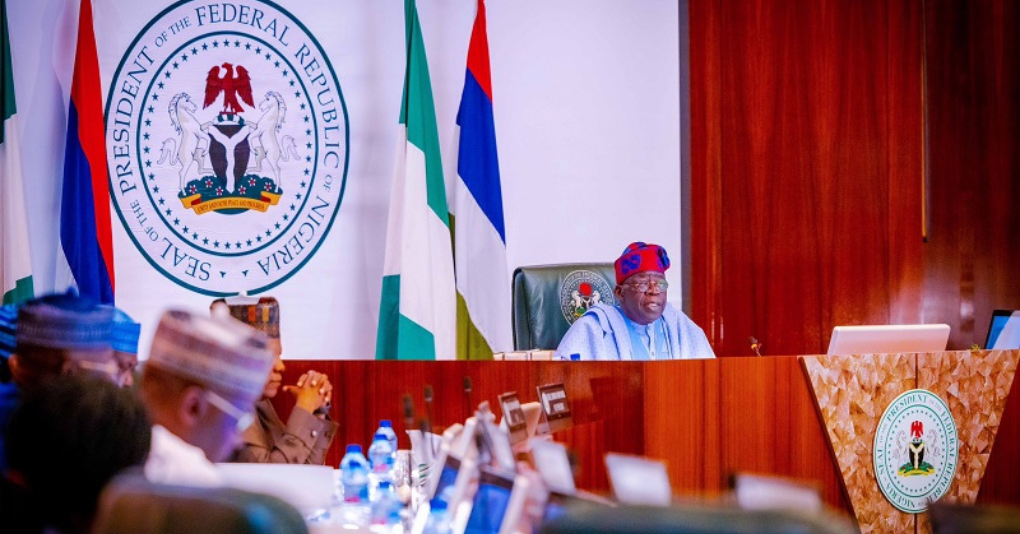
Speaking at the inauguration in Abuja, Minister of Education Dr Tunji Alausa said the committee would ensure government investments in education translated into functional, staffed schools delivering quality learning, rather than serving as monitors of infrastructure alone.
He said its mandate covered ensuring completed schools were furnished, staffed, connected to utilities and opened for academic use.
Alausa said education had become central to President Bola Tinubu’s Renewed Hope Agenda for economic growth, youth empowerment and national cohesion. He said implementation reports showed many projects at advanced construction stages, but several remained unfinished, while some completed schools had not been handed over or opened.
“Every day a completed school remains locked represents lost opportunities for thousands of Nigerian children,” he said.
The minister charged the committee to work with UBEC, state governments, State Universal Basic Education Boards (SUBEBs) and contractors to complete outstanding construction, install furniture and equipment, provide utilities, and deploy teachers and enrol students. He said the committee would be judged by the number of schools made fully operational, not by meetings or reports produced.
UBEC Executive Secretary Aisha Garba said 37 Smart Schools had been established nationwide, with 24 already running academic activities and the rest at various stages of completion. Under the UBEC-Islamic Development Bank Bilingual Education Programme, she said 30 schools had been established across nine states, three boarding schools completed and commissioned, and four others substantially complete and being prepared for commissioning.
Garba said progress had also been made in curriculum development, teacher training, textbook production, and procurement of ICT and technical equipment, alongside collaboration with state governments on staffing. She said the Alternative Schools Programme continued to expand access for out-of-school and vulnerable children, and that the new committee would strengthen oversight by monitoring execution, resolving bottlenecks and promoting inter-agency collaboration.
Share this post



Be the first to comment on this post