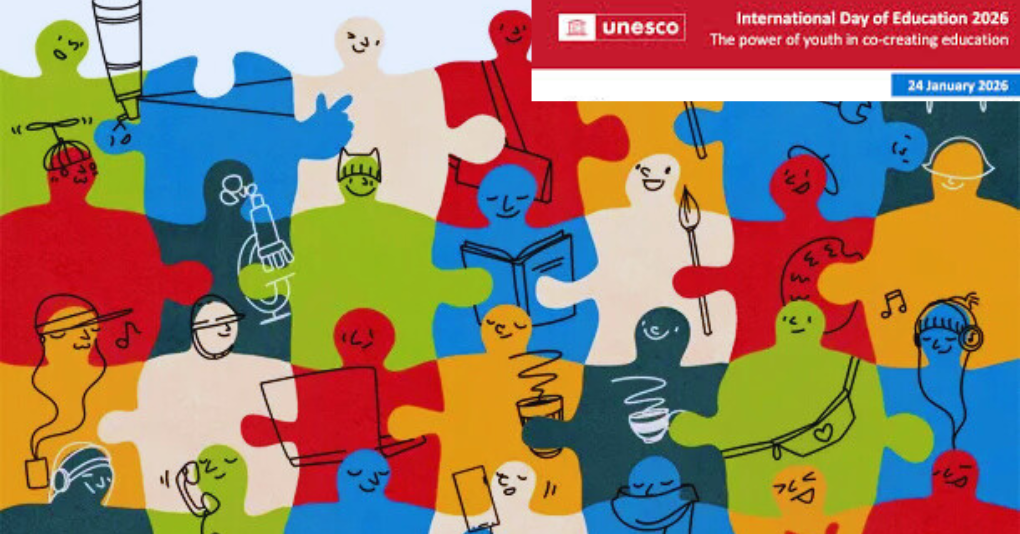
Every year on January 24, the world marks the International Day of Education — a moment to celebrate the power of learning and reaffirm our commitment to inclusive, equitable, and quality education for all. In Nigeria, this observance isn’t just symbolic; it resonates deeply with the nation’s ongoing struggle to make education a pathway out of poverty, inequality, and insecurity.
Nigeria is a nation brimming with youthful potential — over 60% of the population is under 25 — yet the country’s education system faces deep-rooted challenges.
- Out-of-school children remain unacceptably high, with estimates suggesting that over 18 million Nigerian children are not in formal education across primary and junior secondary levels.
- Learning conditions remain poor: Around 50% of public primary schools lack access to clean water, 60% lack functional toilets, and many classrooms are overcrowded with pupil-to-teacher ratios exceeding 70:1 in rural areas.
- Academic outcomes continue to lag: Less than half of students sit for exams like WAEC/NECO achieve strong passes in core subjects such as Mathematics and English.
- Funding shortfalls persist, with education allocations in the national budget averaging around 6–8%, far below the UNESCO recommendation of 15–20%.
These statistics paint a picture of infrastructure gaps, teacher shortages, and limited learning resources, especially in rural and conflict-affected regions. And while the challenges are formidable, so too are the efforts underway to transform Nigeria’s educational future.
In recent years, the Nigerian government — both federal and state levels — has launched several strides toward reform:
1. Nigerian Education Loan Fund (NELFUND):
Through reforms following the Student Loans (Access to Higher Education) Act, the federal government now offers interest-free loans and stipends to students, helping over 580,000 students cover tuition and maintenance since 2025.
2. Expanded Curriculum and Skills Orientation:
The Federal Ministry of Education announced a comprehensive curriculum reform designed to de-emphasize rote learning and introduce vocational subjects and digital literacy from early levels, preparing students for modern economic opportunities.
3. School Infrastructure & Support Plans:
The government has earmarked funds to rebuild hundreds of thousands of dilapidated classrooms and launch national projects aimed at reducing the number of out-of-school children — though execution remains ongoing.
State-Level Success Stories
EdoBEST Program (Edo State):
Governor Godwin Obaseki’s Edo State Basic Education Sector Transformation initiative has dramatically improved learning outcomes. Literacy and numeracy rates rose to about 70%, far surpassing the national average of around 30%, thanks to teacher training and technology integration.
Oyo State’s AI-Driven Literacy Initiative:
Oyo State introduced AI-supported literacy tracking and teacher training, boosting teaching quality and ensuring individualized learning support in classrooms.
Despite progress, several hurdles remain:
Persistent insecurity in regions like the Northwest and Northeast disrupts schooling and forces periodic closures, further deterring children from returning to class. Recent abductions and attacks on schools underscore the need for safer learning environments.
Teacher shortages and qualification gaps remain acute — with estimates suggesting hundreds of thousands of educators needed across basic education levels.
Systemic underinvestment continues to hinder infrastructure, learning materials, and equitable access.
The way forward
To genuinely transform education in Nigeria, a multi-pronged approach is essential:
Increase & Prioritize Spending:
Nigeria must strive toward the UNESCO recommendation of spending 15–20% of the national budget on education, targeted explicitly at teacher development, learning materials, and safe infrastructure.
Strengthen Partnerships:
Public-private collaborations can augment government efforts, particularly in tech-enabled learning, library access, and digital content distribution.
Teacher Professionalization:
Massive investment in professional development for teachers will improve instructional quality and student outcomes.
Safe & Inclusive Schools:
Security reforms that make schools safe zones — especially in conflict hotspots — are vital for parents to trust the system.
Community Engagement:
Local stakeholders, including parents and NGOs, play a critical role in championing enrollment, retention, and school accountability.
As we celebrate the International Day of Education — a day that underscores the intrinsic value of learning — Nigeria is reminded of both its potential and its pressing challenges. Education is not merely a policy objective; it is a foundation for peace, prosperity, and inclusive national growth.
By building on recent gains with bold planning, collaboration, and accountability, Nigeria can turn the promise of education into a reality that uplifts every child and community.
Share this post




Be the first to comment on this post